

Table of Contents
- What Makes Platinum Heirloom Quality
- Durability of Platinum Jewelry for Generations
- Is 18k Gold Better Than Platinum for Heirlooms
- Platinum Jewelry Maintenance and Care
- Investment Value and Resale Potential
- Ethical and Environmental Sourcing
- Resizing and Repairability: A Lifetime Advantage
- Frequently Asked Questions
Last Updated: August 31, 2026
What Makes Platinum Heirloom Quality
Heirloom quality platinum jewelry represents the pinnacle of durable, timeless pieces designed to pass through generations. Unlike fashion jewelry that deteriorates within years, heirloom-grade platinum combines exceptional purity, density, and craftsmanship to create pieces that strengthen in sentimental value over decades.
At LÖF, we craft pieces specifically designed as heirlooms. The distinction between ordinary platinum and heirloom quality comes down to three core characteristics: metal composition, structural integrity, and the intentionality behind the design.
Pt950 Purity and Metal Composition
True heirloom quality platinum jewelry must meet strict purity standards. Pt950 denotes platinum that is 95% pure platinum, with the remaining 5% consisting of other precious metals like iridium or ruthenium. This composition creates a metal that's both workable for intricate designs and extraordinarily durable.
Lower platinum alloys (Pt900, Pt850) sacrifice longevity for easier manufacturing. When investing in a piece meant to outlast you, Pt950 is the only acceptable standard. The higher purity means the metal resists degradation from daily wear, environmental exposure, and repeated stress from resizing or repairs over a lifetime. This purity also affects the metal's density and weight, providing structural strength that prevents warping under stress.
Density and Weight: Why It Matters
Density is where platinum separates itself from every other jewelry metal. A platinum ring's substantial weight is a physical indicator of its ability to withstand decades of daily wear.
The density of platinum (21.45 g/cm³) means that even a delicate-looking platinum band contains significantly more metal than an equivalent gold design. When you set a diamond or gemstone into platinum, the metal grips the stone with superior tensile strength. Prongs don't bend as easily. Bezels don't deform. The stone sits as securely in a 50-year-old platinum ring as it did the day it was made.
This density also explains why platinum jewelry requires less frequent maintenance than gold. The metal doesn't thin out from polishing and cleaning over time.
Durability of Platinum Jewelry for Generations
Platinum's reputation for durability isn't marketing, it's metallurgical fact. The metal's resistance to corrosion, tarnishing, and wear makes it the obvious choice for pieces meant to become family heirlooms.
Wear Resistance and Tensile Strength
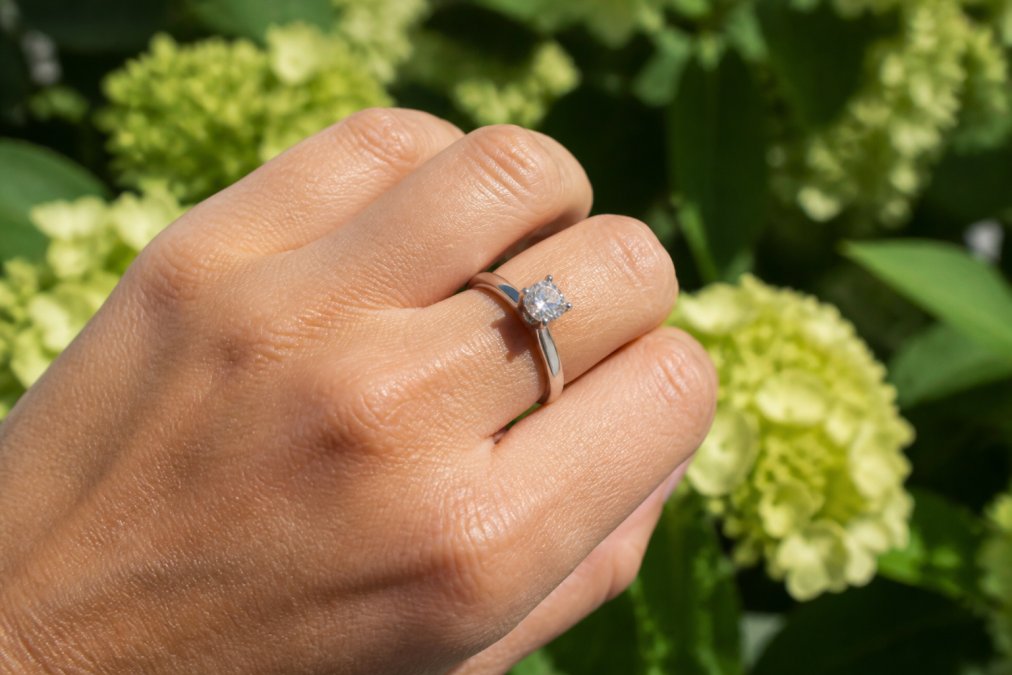
Platinum doesn't scratch easily, and when it does, the scratches don't compromise the metal's integrity. Wear resistance in platinum comes from its hardness and the way it responds to stress. Unlike softer metals that deform under pressure, platinum absorbs impact and returns to its original shape.
The tensile strength of platinum, its ability to withstand pulling and bending forces without breaking, is exceptional. This becomes critical in settings with multiple prongs holding gemstones. Prongs won't snap or crack; they'll flex slightly and return to position. For daily-wear pieces like engagement rings or wedding bands, this matters profoundly. Most jewelry damage comes from repeated micro-stresses: bumping against counters, pressure from washing hands, the constant flex of wearing a ring. Platinum absorbs these stresses without degradation.
Corrosion and Tarnish Resistance
One of platinum's defining characteristics is its complete resistance to corrosion and tarnishing. Platinum doesn't oxidize, doesn't tarnish, and doesn't react with skin oils, sweat, or environmental moisture. This is why platinum jewelry can be buried for centuries and emerge unchanged.
This corrosion resistance means the metal itself never deteriorates. The metal's inertness also makes it hypoallergenic. People with sensitive skin who react to gold or silver alloys often find platinum completely tolerable. For pieces meant to be worn daily across a lifetime, this matters.
Is 18k Gold Better Than Platinum for Heirlooms
This comparison appears frequently because both materials are legitimate heirloom choices. But they serve different purposes and different timelines.
Comparing Purity, Weight, and Setting Security
18k gold contains 75% pure gold, making it a genuinely durable precious metal. It's softer than platinum but significantly harder than lower-karat golds. A platinum setting with the same design as an 18k gold setting will hold a gemstone more securely. The density difference means more metal in the setting structure. Platinum prongs grip stones with greater force. Over 50+ years, this translates to lower risk of stone loss.
An 18k gold ring at a given size will weigh less than an equivalent platinum ring, meaning less metal in the setting and reduced structural redundancy. However, 18k gold has advantages platinum lacks. Gold develops a patina that many people find beautiful, and gold is more readily resizable and repairable by any jeweler. Platinum requires specialized equipment and expertise for major repairs.
For heirloom pieces, the choice depends on aesthetic preference and intended wear pattern. Platinum excels for daily-wear rings that need maximum durability.
Hypoallergenic Properties and Skin Safety
Both materials are hypoallergenic when pure, but platinum offers broader compatibility. 18k gold contains 25% alloy metals, often nickel, copper, or palladium. Some people react to these alloys. Platinum's alloy content (the 5% in Pt950) is typically iridium or ruthenium, metals that rarely cause reactions.
For a piece meant to be passed to family members across generations, platinum's universal wearability is an advantage.
Platinum Jewelry Maintenance and Care
The counterintuitive truth about heirloom quality platinum jewelry is that it requires less maintenance than you'd expect. The metal's resistance to tarnishing and corrosion means you can't damage it through neglect.
Patina Versus Polishing: Aesthetic Evolution
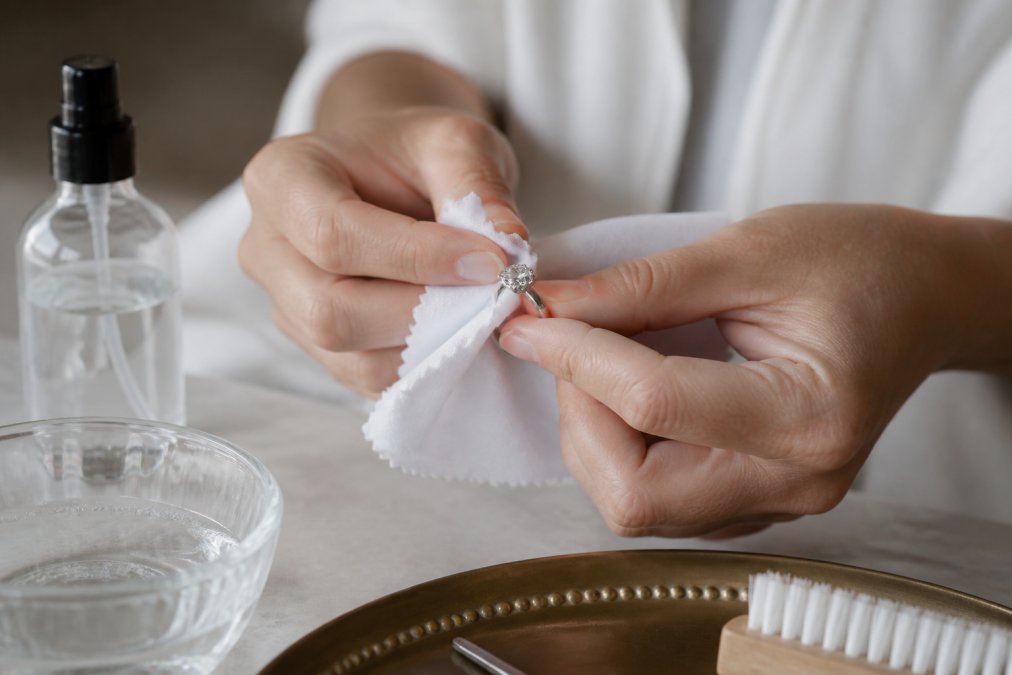
Over decades, platinum develops a subtle patina, a soft, matte finish that replaces the original high polish. This patina isn't damage; it's a natural aesthetic evolution that many collectors prefer. A platinum ring worn daily for 30 years develops a character that no new ring possesses.
The choice between maintaining the original polish and allowing patina to develop is entirely personal. The beauty of platinum is that either choice is valid. You can polish a platinum ring thousands of times without thinning or weakening the metal. You can also leave it unpolished for decades without any risk of tarnishing or corrosion.
Cleaning and Long-Term Preservation
Platinum jewelry requires minimal cleaning. Warm soapy water and a soft cloth remove daily grime. For deeper cleaning, a jeweler can use ultrasonic cleaners without risk of damage. The long-term preservation strategy for platinum is straightforward: store it in a dry environment and have it inspected by a jeweler every 5-10 years to ensure settings remain secure. Beyond that, platinum jewelry essentially maintains itself.
Investment Value and Resale Potential
Heirloom quality platinum jewelry holds value differently than fashion pieces. The investment is in the craftsmanship, design, and the piece's ability to remain relevant across generations.
Rarity and Market Demand
Platinum is rarer than gold. Annual platinum production is a fraction of gold production, making platinum pieces inherently scarcer. This rarity supports value retention. A platinum engagement ring 30 years old is still platinum, the metal hasn't become more common or less desirable.
Market demand for platinum jewelry fluctuates based on fashion cycles, but heirloom pieces transcend fashion. A well-designed platinum ring doesn't become dated because it was never trendy, it was always classic. At LÖF, pieces like the Toi et Moi Engagement Band, crafted in platinum with antique diamonds, appreciate in cultural value over time.

Hallmarking and Authentication
Authentic heirloom quality platinum jewelry carries hallmarks that verify purity and origin. Hallmarks are official stamps indicating metal purity (Pt950) and often the maker's mark. When you purchase platinum jewelry from a reputable maker, you receive documentation of the metal composition, gemstone specifications, and craftsmanship details. This documentation becomes part of the piece's provenance.
Authentication matters for resale and inheritance. A platinum ring with clear hallmarks and documentation commands confidence in the market.
Ethical and Environmental Sourcing
The sourcing of platinum and gemstones directly impacts an heirloom's legacy. A piece created through exploitative mining practices carries that burden into its future. Ethical sourcing ensures your heirloom reflects your values across generations.
LÖF prioritizes ethically sourced gemstones and recycled precious metals. The platinum in our pieces often comes from recycled sources, reducing the environmental impact of mining. Antique diamonds, reclaimed from estate jewelry, eliminate the need for new mining while carrying their own historical significance. This commitment means your heirloom doesn't just pass down beauty and durability, it passes down integrity.
Resizing and Repairability: A Lifetime Advantage
One often-overlooked advantage of platinum for heirlooms is its repairability. Platinum can be resized, repaired, and modified across decades without losing structural integrity. This flexibility is essential for pieces meant to be worn by multiple generations.
Resizing a platinum ring is straightforward for a skilled jeweler. The metal can be stretched or compressed without weakening the structure. A platinum engagement ring can be resized for different fingers, adjusted for weight changes, or modified to accommodate new settings. Gold, by contrast, gradually weakens with repeated resizing. After multiple resizes across generations, gold becomes risky to modify.
This repairability extends to setting modifications. If a prong needs tightening or a stone needs resetting, platinum's workability makes the process reliable. For pieces meant to become true heirlooms, worn by grandchildren and great-grandchildren, this capacity for modification is invaluable.
Heirloom quality platinum jewelry represents a commitment to durability, ethics, and legacy. The metal's resistance to corrosion, exceptional tensile strength, and capacity for repair make it the ideal choice for pieces meant to outlast you.
At LÖF, we design platinum jewelry specifically for this purpose. Our pieces, like the Pear Wedding Band and Something Blue Engagement Band, combine Pt950 platinum with ethically sourced gemstones and antique diamonds. When you invest in LÖF platinum jewelry, you're acquiring a piece engineered to remain structurally sound, aesthetically relevant, and valuable across generations. Learn more about platinum jewelry care from the Gemological Institute to understand how to preserve your heirloom investment for decades to come.

| Aspect | Platinum | 18k Gold |
|---|---|---|
| Purity | Pt950 (95% pure) | 75% pure gold |
| Density | 21.45 g/cm³ | 15.6 g/cm³ |
| Tarnish Resistance | Completely tarnish-resistant | Develops patina over time |
| Hypoallergenic | Excellent (iridium/ruthenium alloys) | Variable (depends on alloy metals) |
| Resizing Capability | Unlimited without degradation | Limited (metal thins with each resize) |
| Setting Security | Superior (denser prongs) | Very good but lighter structure |
| Maintenance | Minimal | Regular polishing recommended |
| Heirloom Suitability | Excellent | Very good |
According to the Platinum Guild's durability standards, platinum's density and corrosion resistance make it superior for pieces intended for multi-generational wear. The metal's ability to withstand repeated resizing and repair without structural compromise ensures your heirloom can adapt to future owners.
For conscious consumers seeking sustainable luxury, ethical sourcing guidelines from the Responsible Jewellery Council provide transparency on how platinum and gemstones are sourced. LÖF's commitment to recycled metals and ethically sourced diamonds aligns with these standards, ensuring your heirloom reflects your values across generations.
Frequently Asked Questions
What does heirloom quality platinum jewelry mean?
Heirloom quality platinum jewelry refers to pieces crafted from Pt950 (95% pure platinum) designed to last multiple generations without degradation. These pieces combine exceptional durability, hypoallergenic properties, and timeless design that withstands both daily wear and the passage of decades. Heirloom platinum jewelry maintains its structural integrity, resists tarnishing and corrosion, and can be repaired or resized indefinitely, making it a true investment piece to pass down through families.
Is platinum better than 18k gold for daily wear?
Platinum surpasses 18k gold for daily wear in several ways. Platinum is denser and more durable, resisting scratches and dents better over time. It's naturally hypoallergenic, making it ideal for sensitive skin, whereas 18k gold contains alloy metals that may cause reactions. Platinum holds gemstone settings more securely due to its tensile strength and doesn't require replating like white gold does. However, 18k gold is lighter and less expensive. For heirloom-quality pieces meant to endure decades of daily use, platinum's durability and maintenance-free lustre give it the advantage.
Does platinum turn yellow or tarnish over time?
Platinum does not turn yellow or tarnish like white gold or silver. It develops a subtle patina, a soft, matte finish, with age and wear, which many collectors consider part of its charm and authenticity. This natural patina can be polished away to restore the original white lustre whenever desired. Unlike white gold, which requires replating to maintain its appearance, platinum's colour remains stable indefinitely. This tarnish-resistant quality is one of the defining characteristics that makes platinum ideal for heirloom jewellery.
What are the disadvantages of platinum jewelry?
Platinum's main disadvantage is cost: it's significantly more expensive than gold due to its rarity and density. It's also heavier, which some wearers find uncomfortable. Platinum requires specialist jewelers for repairs and resizing, and finding skilled craftspeople can be challenging. Scratches and dents are more visible on platinum's surface (though they don't compromise durability). For those seeking lightweight, affordable jewelry, platinum may not be practical. However, for heirloom-quality pieces meant to last lifetimes, these drawbacks are offset by unmatched durability and longevity.
This article was written using GrandRanker