

Table of Contents
- The Real Value of Buying Heirloom Jewelry From Designers
- How to Identify Heirloom Quality Jewelry
- Is 18k Gold Better Than Platinum for Heirloom Pieces
- Ethical Sourcing in Fine Jewelry: What It Means for Your Investment
- Designing Your Own Heirloom: The Custom Design Process
- Appraisal, Insurance, and Long-Term Care for Heirloom Pieces
- Building a Legacy: Why Heirloom Jewelry Matters Across Generations
Last Updated: August 26, 2026
The Real Value of Buying Heirloom Jewelry From Designers
When you buy heirloom jewelry from designers, you're investing in far more than a beautiful object. You're acquiring a piece with genuine longevity, intentional craftsmanship, and the potential to become a legacy item passed through generations. The difference between a mass-produced piece and one designed by a skilled artisan often determines whether a ring, necklace, or bracelet survives decades of wear or deteriorates within years.
At LÖF, we understand this principle deeply. Founded by jeweler and designer Morgan Mackintosh, LÖF specializes in sustainable, heirloom-quality pieces crafted from 18k gold, platinum, and ethically sourced gemstones. Buying from a designer means working with someone who has thought through the technical and aesthetic longevity of every element.
The real value lies in several interconnected factors: designers select materials with multi-generational wear in mind, understanding metal purity, stone durability, and setting techniques that protect both gemstone and metal. Custom design allows you to create a piece reflecting your personal aesthetic rather than settling for off-the-shelf options. When you buy from a designer, you gain access to expertise around resetting, repair, and reimagining pieces as your needs evolve.
How to Identify Heirloom Quality Jewelry
Heirloom quality jewelry is defined by measurable characteristics: superior craftsmanship, precious metals of high purity, durable gemstones, and construction designed to withstand decades of regular wear.
Metal purity is the foundation. 18k gold contains 75% pure gold, offering both durability and malleability for intricate design work (the FTC). Platinum is naturally resistant to corrosion and holds gemstones securely over time. Look for clear hallmarks stamped inside the band, indicating metal purity and the maker's commitment to transparency.
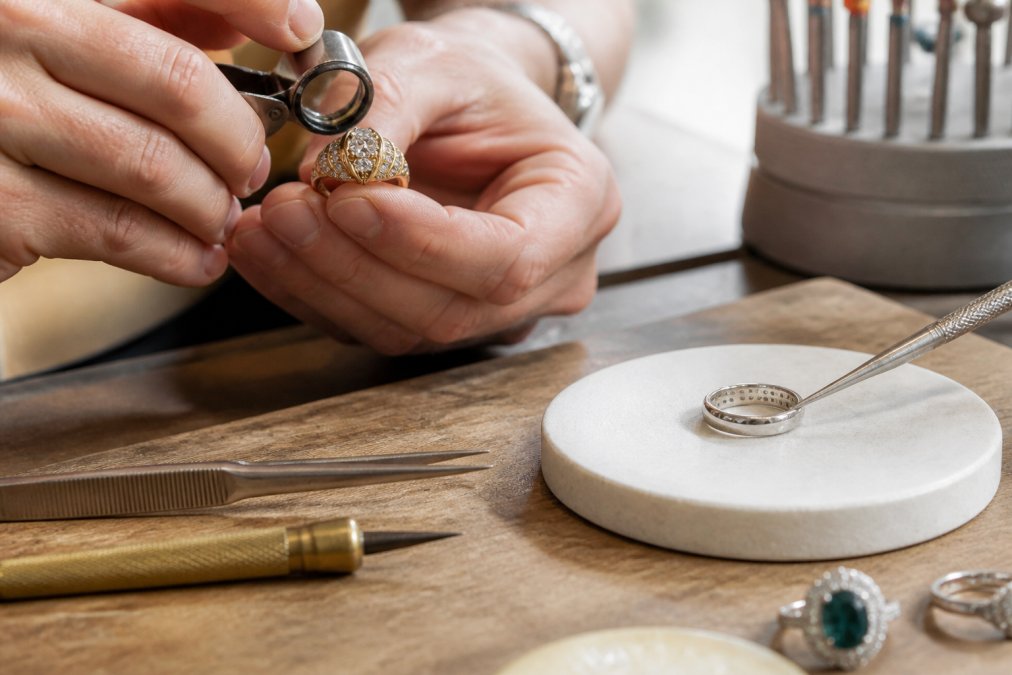
Craftsmanship reveals itself in details. Hand-finished settings show evidence of intentional work with slightly irregular surfaces where a craftsperson has shaped the metal, secure stone seats that minimize movement, and secure prongs or bezels that won't loosen with time. Mass-produced jewelry shows tool marks that repeat identically, whereas bespoke work carries subtle variations reflecting human skill.
Gemstones matter enormously. Antique diamonds and vintage-inspired stones are prized for heirloom pieces because their cutting styles have proven durability over centuries. Antique cut diamonds were designed for candlelight and are exceptionally durable. When evaluating a gemstone, ask about its origin, any treatments, and its resistance to scratching or chipping.
Expensive doesn't automatically mean heirloom quality. Price reflects brand reputation and markup as much as craftsmanship. Instead, examine construction directly: Are prongs secure and properly proportioned? Does the metal show consistent finishing? Is the setting design protective rather than fragile?
:::pro-tip Request documentation of the gemstone's characteristics, including cut, color, clarity, and carat weight. For antique diamonds, ask whether the piece has been professionally appraised. This documentation becomes part of your piece's provenance and is essential when you eventually pass it down. :::
Is 18k Gold Better Than Platinum for Heirloom Pieces
The choice between 18k gold and platinum depends on your lifestyle, aesthetic preferences, and long-term vision for the piece. Both metals are genuinely suitable for heirlooms but behave differently over decades of wear.
18k gold is softer than platinum, meaning it scratches more visibly and requires periodic re-polishing. However, this softness makes it easier for jewelers to resize, repair, and reset stones, a significant advantage if you plan to redesign the piece over time. Gold has warmth and tradition; yellow gold, white gold, and rose gold each offer distinct aesthetics.
Platinum is harder and denser, resisting scratching and maintaining its polished finish longer with minimal maintenance. It's hypoallergenic and won't fade or require replating like white gold sometimes does. The downside: platinum's hardness makes resetting stones more difficult and expensive.
For heirloom pieces, the real question is whether you intend to redesign the piece over time. If yes, 18k gold offers more flexibility and lower modification costs. If you want a piece requiring minimal intervention that maintains its appearance across generations, platinum's durability becomes the stronger choice.
Ethical Sourcing in Fine Jewelry: What It Means for Your Investment
Ethical sourcing in fine jewelry encompasses conflict-free gemstones, fair labor standards, environmental responsibility, and supply chain transparency. When you buy heirloom jewelry from designers committed to ethical sourcing, you ensure your legacy piece wasn't created through exploitation or environmental damage.
Conflict-free diamonds and gemstones are sourced from mines meeting standards set by the Kimberley Process Certification Scheme or similar frameworks, meaning stones weren't used to finance armed conflict. However, conflict-free is a baseline standard, not comprehensive. Truly ethical sourcing ensures miners receive fair wages, work in safe conditions, and mining operations minimize environmental harm.
Recycled and repurposed precious metals represent another critical dimension. Mining new gold and platinum creates significant environmental impact through water use, chemical processing, and habitat disruption. When designers use recycled metals, gold reclaimed from old jewelry or certified recycling programs, they eliminate the need for new mining while maintaining identical material quality.
Many designers now offer certified gemstones from suppliers who can document their supply chain. This documentation becomes part of your piece's provenance and adds genuine value for future generations.
Designing Your Own Heirloom: The Custom Design Process
Custom design is where heirloom jewelry becomes personal. You collaborate with a jeweler to create a piece reflecting your aesthetic, honoring your story, and incorporating materials that matter to you. This transforms jewelry from a product into an heirloom with intentional meaning.
The process begins with a consultation where you discuss your vision, budget, and timeline. You'll share inspiration images, describe your lifestyle and how often you'll wear the piece, and explain any emotional significance. A skilled designer listens for the story behind the piece.
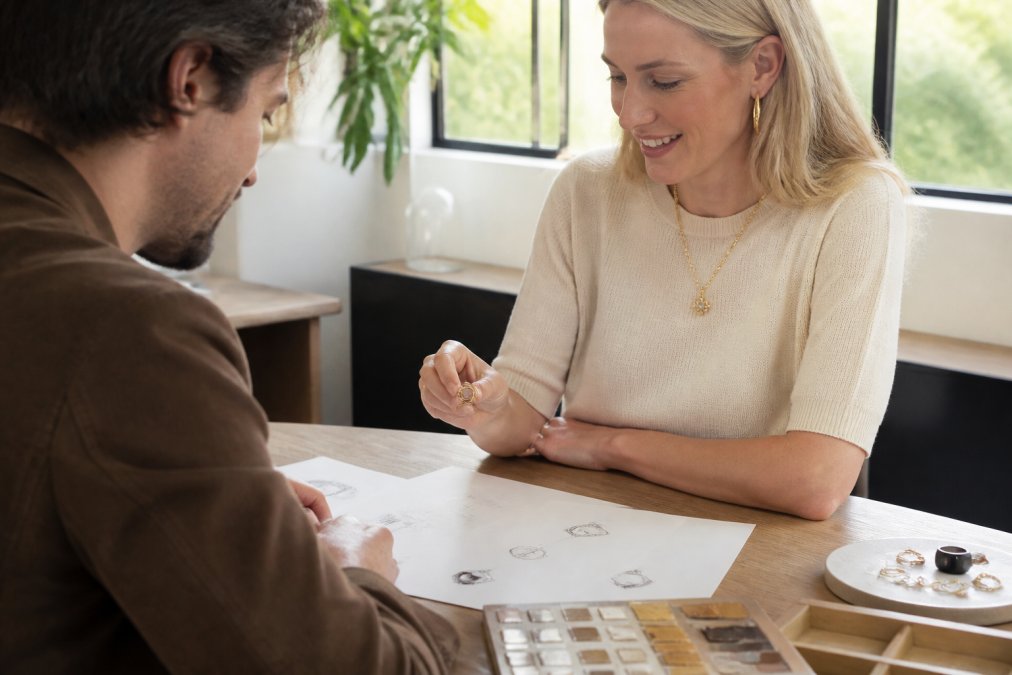
Next comes the design phase. The jeweler creates sketches or digital renderings showing how your piece will look. A good designer considers not just aesthetics but how the setting will protect your gemstone, how proportions will balance on your body, and how the piece will age over time. They'll discuss metal choices, stone options, and construction techniques affecting both beauty and longevity.
Once you approve the design, the jeweler sources materials. For heirloom pieces, this means selecting premium gemstones and precious metals that will endure. If you're using recycled metals or antique stones, this phase requires particular care.
The crafting phase transforms design into physical reality. Depending on complexity, this can take weeks or months. A skilled artisan hand-finishes details, sets stones with precision, and ensures every element meets standards.
Finally, the piece is polished, inspected, and delivered with documentation including photographs, material specifications, and care instructions. This documentation becomes part of your piece's provenance.
The investment in custom design pays dividends across generations. You get a piece designed specifically for your aesthetic and lifestyle, created with intentional craftsmanship, and backed by the designer's expertise.
Appraisal, Insurance, and Long-Term Care for Heirloom Pieces
Protecting your heirloom jewelry requires three essential steps: professional appraisal, comprehensive insurance, and ongoing maintenance.
A professional appraisal establishes your piece's value for insurance purposes and creates a documented record of its condition. Appraisers examine materials, craftsmanship, gemstones, and market value, providing a detailed report. For heirloom pieces, especially those redesigned or modified, an updated appraisal is essential. This documentation provides clarity about value and condition when you eventually pass the piece down.
Insurance protects your heirloom against loss, theft, or damage. Standard homeowners' insurance typically covers jewelry only up to a limited amount. For valuable heirlooms, you'll need a separate jewelry insurance policy or rider. This coverage is particularly important if you redesign a piece; new settings and modifications should be documented and added to your coverage.
Long-term care determines whether your heirloom maintains its beauty across generations. Gold can be gently cleaned with warm soapy water and a soft brush; platinum responds similarly but may develop a slightly matte finish over time. Diamonds can accumulate dirt and oils that dull their sparkle, so periodic professional cleaning helps maintain appearance.
Gemstones vary in care requirements. Emeralds are relatively soft and often treated with oils, so they need gentle handling and shouldn't be exposed to harsh chemicals (gia.edu). Sapphires and rubies are more durable. Antique diamonds may have been treated differently than modern stones, so understanding your piece's history informs how you care for it.
Regular maintenance by a skilled jeweler every 5-10 years depending on wear ensures prongs remain secure, metal stays properly finished, and any wear is addressed before becoming structural. This preventive care is far less expensive than emergency repairs.
Building a Legacy: Why Heirloom Jewelry Matters Across Generations
Heirloom jewelry transcends its material value. A piece passed from one generation to the next carries stories, marks important moments, and connects family members across time. When you invest in heirloom-quality pieces, you're making a statement about what you value: craftsmanship over mass production, ethical practices over exploitation, and intentional design over trends.
When your daughter, granddaughter, or chosen heir wears the piece, they're wearing not just jewelry but a physical connection to your choices and your era. A well-made piece in precious metals and durable gemstones can be worn, redesigned, and adapted to suit new owners.
The distinction between heirloom jewelry from designers and mass-produced alternatives becomes most apparent here. A designer-created piece, especially one custom-designed for you, carries intentionality that factory-made jewelry rarely achieves. The designer's expertise ensures the piece will endure physically. Custom design ensures it reflects genuine aesthetic choices rather than trend-following. Ethical sourcing ensures you can tell future generations the piece was made responsibly.
When you buy heirloom jewelry from designers like LÖF, you're participating in a tradition of craftsmanship spanning centuries. You're choosing pieces designed to outlast fashion cycles and daily wear. You're investing in sustainability by choosing quality over quantity. You're creating a legacy that your heirs will value not just for its beauty but for what it represents: intentional choices, ethical practices, and genuine craftsmanship.
The pieces you choose today become the heirlooms of tomorrow.
Heirloom jewelry represents a commitment to quality, ethics, and legacy. When you're ready to invest in pieces designed to transcend generations, LÖF offers heirloom-quality jewelry crafted from 18k gold, platinum, and ethically sourced gemstones. Explore our collection of bold, architectural statement pieces, including the The Tillie Ring with antique Old European Cut diamonds, the The Maze Ring featuring antique marquise diamonds, and our Toi et Moi Engagement Band with rare antique colored diamonds. Each piece is designed with the same commitment to sustainability and craftsmanship that ensures it becomes a genuine legacy. Discover how LÖF's bespoke design process creates jewelry built to be passed down.


Frequently Asked Questions
What makes a piece of jewelry heirloom quality?
Heirloom quality jewelry combines superior craftsmanship, precious materials, and timeless design. Look for pieces made from 18k gold or platinum with ethically sourced gemstones, strong construction that withstands daily wear, and design aesthetics that transcend trends. Hallmarks indicating metal purity, quality gemstone cuts like Old European or antique cuts, and attention to detail in setting work all signal pieces built to last generations. Designer-created heirlooms typically include custom elements that add personal meaning and artistry.
Is it better to buy new designer jewelry or restore old pieces?
Both approaches have merit depending on your goals. Restoring an inherited piece preserves its provenance and sentimental value while honoring its original artistry. New designer heirloom pieces offer the advantage of selecting materials, design aesthetics, and ethical sourcing from the start, ensuring longevity and alignment with your values. Many collectors do both: restore treasured inherited pieces while commissioning new bespoke designs to create fresh heirlooms for future generations. A skilled jeweler can advise whether an old stone is worth resetting or if a new design better suits your vision.
How does ethical sourcing impact the value of heirloom jewelry?
Ethically sourced gemstones and recycled precious metals add lasting value beyond the material cost. Pieces created with conflict-free diamonds, responsibly mined stones, and sustainable practices appeal to conscious collectors and future generations who increasingly value provenance and environmental responsibility. This ethical foundation strengthens the piece's legacy narrative, you're not just passing down jewelry, but a commitment to craftsmanship and planetary stewardship. Documentation of sourcing and sustainability practices also increases resale value and insurance credibility, making ethical heirloom jewelry a stronger long-term investment.
What should you look for when buying jewelry intended to be passed down?
Prioritize durability, timeless design, and personal meaning. Choose precious metals like 18k gold or platinum that resist tarnish and wear. Select gemstones with proven longevity, antique cuts and high-quality diamonds hold their beauty across generations. Ensure the piece resonates with your aesthetic rather than following fleeting trends; bold, architectural designs often age better than overly ornate styles. Work with a designer who documents the piece's creation story, materials, and care instructions. Finally, verify authenticity through hallmarks and appraisals, and plan for professional maintenance every few years to preserve the piece for future wearers.
This article was written using GrandRanker