

Table of Contents
- What Fair Trade Gold Certification Actually Requires
- Fairmined Gold vs Fairtrade Gold: Key Differences That Affect Your Choice
- How to Verify Gold Mining Supply Chain Traceability
- Environmental Impacts of Gold Mining: What Certification Should Address
- A Step-by-Step Evaluation Checklist for Fair Trade Gold
- Limitations and Risks of Fair Trade Gold Certification
- Questions to Ask Miners, Refiners, and Jewelers
- Frequently Asked Questions
Last Updated: October 17, 2026
What Fair Trade Gold Certification Actually Requires
Fair trade gold certification is a third-party system that verifies a mine meets social, environmental, and labor standards, then tracks that gold from mine to finished piece. Two schemes dominate: Fairtrade Gold and Fairmined.
Both schemes promise miners a fair price, safer working conditions, and a route out of the informal economy. Certification is not a marketing badge, it is a contract with audits attached.
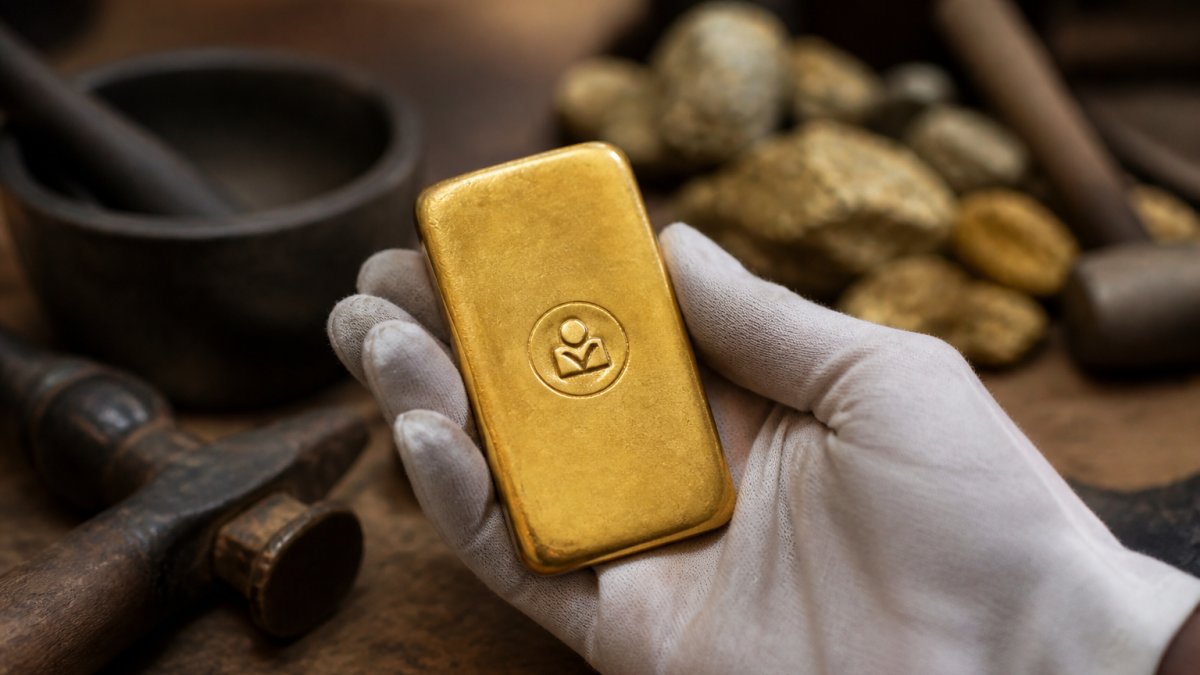
The Standards Behind the Label: Fairtrade and Fairmined
Fairtrade Gold runs under the Fairtrade system: minimum prices, a premium for community projects, and compliance with environmental and labor rules.
Fairmined Gold is a separate standard built for artisanal and small-scale mining (ASM), focused on formalization, training, and progressive improvement.
Neither label is self-awarded; both rely on independent audit bodies to check that mines meet the criteria.
Eligibility and the Path to Certification for Artisanal Miners
Getting certified is slow, and that is the point. A mining organisation must first be formal, legal, and organized, then face:
- Baseline assessment against the standard's criteria
- Corrective action plans for any gaps
- Independent audit by a certification body
- Ongoing monitoring and re-audit cycles
Most small-scale miners start far from this bar, which explains why certified gold is scarce and costs more.
Fairmined Gold vs Fairtrade Gold: Key Differences That Affect Your Choice
Fairmined and Fairtrade both certify responsible ASM gold but differ in scope and governance. Fairmined is built only for artisanal and small-scale miners; Fairtrade operates within the wider Fairtrade system and its broader premium model.
Here is how they compare in practice:
| Feature | Fairmined Gold | Fairtrade Gold |
|---|---|---|
| Focus | Artisanal and small-scale mining only | ASM within the Fairtrade system |
| Premium model | Development premium for the mining organisation | Fairtrade premium for community projects |
| Governance | Dedicated standard body | Fairtrade standards and audit system |
| Progression | Staged levels with improvement over time | Compliance with fixed criteria |
| Best for buyers | Traceability from a named mine | Alignment with a recognized global label |
The practical difference is traceability depth: Fairmined tends to name the mining organisation, while Fairtrade leans on the wider system's credibility. Neither is "better" in the abstract, choose based on what you can verify.
How to Verify Gold Mining Supply Chain Traceability
Traceability means you can follow a piece of gold from mine through refiner to jeweler, with evidence at each step. Without it, a certification claim is just a claim. The strongest proof is a documented chain of custody linking a specific batch of gold to a specific certified mine.
Independent Audits and Chain of Custody Checks
Audits are the backbone of credibility: an independent body, not the mine or jeweler, checks the mine against the standard. FLOCERT is the well-known certification body within the Fairtrade system (FLOCERT’s history with Fairtrade).
For the supply chain, look for:
- A certificate number you can check against the standard's public database
- Refiner records showing the gold's origin
- Documentation that follows the gold through each handoff
- A stated audit date, so you know the check is current
What most guides miss is the refiner gap. Certified gold can lose its paper trail at the refinery if records are loose. Ask how the refiner separates certified from uncertified gold.
Environmental Impacts of Gold Mining: What Certification Should Address
Gold mining can scar land and water when done badly. Certification should force measurable limits on the worst practices, but a label alone does not tell you whether those limits are met. The useful question is not "does the standard mention mercury?" but "what evidence shows mercury use is falling at this mine?"
The environmental impacts of gold mining that a credible standard must address include:
- Mercury pollution: a serious risk in ASM, and a core target of mercury reduction rules
- Deforestation: clearing land for pits and access roads
- Water contamination: runoff and tailings entering local supplies
- Land restoration: a plan and funding to rehabilitate mined land
- Efficient technologies: equipment that cuts waste and chemical use
Certification is not a guarantee of zero impact. It is a framework requiring monitoring, reporting, and improvement, a floor, not a ceiling.
Turning Environmental Claims into Auditable Indicators
Most guides stop at the list above. A stronger evaluation asks for the indicator behind each claim, the evidence a credible certified operation should produce.
Mercury reduction. Fairmined and Fairtrade both require mercury reduction, with the Minamata Convention on Mercury setting the public-policy backdrop.
Water and tailings. Request the water-management plan and monitoring records for local water sources.
Deforestation and land use. Ask how the mine tracks its footprint and whether expansion needs prior approval.
Technology and efficiency. Efficient processing cuts waste and chemical use. Ask which equipment the mine uses and whether training or the premium funded an upgrade.
Reading Environmental Evidence in Context
Indicators are only useful if you know their limits. Audits are periodic, so a clean audit is a snapshot, not a continuous guarantee. Small mines may lack resources for sophisticated monitoring, which is why standards often use staged improvement rather than a single pass/fail bar.
Use the impact list to know what to ask about, and the indicators to judge whether the answer is evidence or marketing. A certified mine that can name its mercury-reduction method, show water-monitoring records, and point to a funded rehabilitation plan is demonstrating environmental responsibility.
A Step-by-Step Evaluation Checklist for Fair Trade Gold
Use this checklist to separate real certification from greenwashing. Work through it in order, treating each step as a request for evidence rather than a box to tick. The goal is not a logo but a paper trail you can check.
- Name the standard. Confirm Fairmined or Fairtrade specifically. Reject vague "ethical gold" claims. "Fair trade" on its own is not a certification.
- Get the certificate number in writing. Ask for the certificate number and the name of the certified mining organisation, not just the brand selling the piece.
- Check the database. Verify the certificate against the standard's public register. Confirm the organisation name, the certificate status, and the expiry date match what you were told.
- Confirm the audit date. A stale audit is a red flag. Ask when the last independent audit took place and whether any corrective actions are still open.
- Trace the refiner. Ask which refiner handled the gold and how origin is documented. The refiner is where certified and uncertified gold most often get mixed.
- Ask for chain of custody records. Request proof that links the piece to the certified mine, batch records, transfer documents, or a stated chain-of-custody reference.
- Review the environmental plan. Look for mercury reduction, water monitoring, and a funded land-restoration commitment, not just a statement of intent.
- Check the social terms. Confirm fair wages, health and safety, and no forced or child labor. Ask how wages are set and whether the premium is paid on top of the minimum price.
- Ask about the premium. Find out how community development funds are used and who decides. A named project and a reporting mechanism are stronger than a general promise.
- Get it in writing. Verbal assurances do not count. Ask for the evidence by email so you can compare it against the public register.
What Counts as Evidence at Each Step
The checklist only works if you know what a good answer looks like. These evidence thresholds separate a verified claim from a hopeful one.
Certificate verification. A valid certificate should match the standard's public database, show the certified organisation's legal name, and carry a future expiry date.
Chain of custody. The strongest evidence links a specific batch of gold to a specific certified mine through named handoffs.
Audit currency. An audit date within the standard's normal cycle is a baseline. Ask whether the last audit closed its corrective actions.
Where the Checklist Stops
No checklist removes the need for judgment. Certification covers the mine, not every later handoff, and audits are periodic. Gather evidence, then weigh it: a current certificate, a documented refiner, and a named premium project are strong signals; a logo with no register match and no refiner record is not. The point is to make the seller's claim checkable, and to walk away when it is not.
Limitations and Risks of Fair Trade Gold Certification
Certification has real limits, and honest buyers should know them. It is a tool, not a guarantee.
- Scarcity: certified ASM gold is a small share of the market, so supply is tight.
- Cost: audits, premiums, and compliance raise the price, and that cost reaches the buyer.
- Audit gaps: audits are snapshots. Practices between audits can drift.
- Scope limits: certification covers the mine, not every later handoff in the supply chain.
- Formalization barrier: the poorest miners often cannot afford to certify at all.
Certification raises the floor but does not replace your own diligence. Pair the label with the verification steps above.
Questions to Ask Miners, Refiners, and Jewelers
Direct questions expose how deep a supply chain claim really goes. Ask the same core questions at every stage.
Ask the miner or mining organisation:
- Which standard are you certified under, and what is your certificate number?
- When was your last independent audit?
- How do you handle mercury and land restoration?
Ask the refiner:
- How do you separate certified gold from uncertified gold?
- Can you provide origin records for this batch?
Ask the jeweler:
- Can you show the chain of custody for this piece?
- Which refiner did the gold pass through?
- Is the certificate current?
At LÖF, we build from recycled and repurposed gold and antique diamonds. A jeweler who welcomes these questions is worth trusting.
The hardest part of buying ethical gold is not finding a label. It is proving the label means something.
LÖF was founded by jeweler and designer Morgan Mackintosh on a simple idea: luxury and responsibility belong together.
Choose options with LÖF and invest in heirloom-quality jewelry built on sourcing you can question, and answers you can check.
Frequently Asked Questions
How can you tell whether gold is Fairtrade certified?
Look for the Fairtrade Gold stamp or a certificate from FLOCERT, the independent certifier. Certified gold comes with a chain-of-custody document that traces the metal from a specific mining organisation to the refiner and then to the jeweler. Ask the jeweler for the certificate number and verify it with the certification body. If a brand claims fair trade gold but cannot produce a certificate or traceability record, treat the claim as unverified.
What is the difference between Fairtrade and Fairmined gold?
Fairtrade gold focuses on fair wages, safe working conditions, and a premium paid to the mining organisation for community development. Fairmined gold adds stricter environmental requirements. Both require independent audits. Your choice depends on whether you prioritise community premiums or environmental rigor.
What should responsible gold mining practices include?
Responsible practices cover fair wages, health and safety training, mercury reduction, land restoration, and formalisation of artisanal and small-scale mining (ASM). Certification standards require mining organisations to eliminate forced labour, provide protective equipment, and manage waste responsibly. They also mandate independent audits and a chain of custody that tracks gold from mine to market. When evaluating a claim, check that these elements are verified by a third party and updated regularly.
What are the environmental impacts of gold mining that certification addresses?
Gold mining can cause deforestation, mercury pollution, soil erosion, and water contamination. Certification standards require miners to reduce mercury use, restore land after extraction, and adopt efficient technologies that limit environmental damage. Fairmined and Fairtrade both include environmental criteria, but enforcement varies. Ask for evidence of restoration plans, water monitoring data, and mercury-reduction training. Without measurable indicators, environmental claims remain aspirational.