

Table of Contents
- What Determines Antique Diamond Jewelry Appraisal Cost
- Pricing Models: Hourly Rates vs. Flat Fees
- Jewelry Appraisal for Insurance Cost Explained
- Antique Diamond Certification Process and Its Impact on Fees
- How to Value Inherited Diamond Jewelry
- Finding a Qualified Certified Appraiser
- Digital vs. Physical Appraisal Documentation
- Conclusion
Last Updated: August 26, 2026
What Determines Antique Diamond Jewelry Appraisal Cost
Understanding the factors that drive antique diamond jewelry appraisal cost is essential before commissioning an appraisal. The price depends on gemological characteristics, metal composition, condition, and the appraiser's credentials. Unlike modern diamonds graded by standardized systems, antique diamonds present unique valuation challenges that directly influence both the appraisal fee and final valuation.
Gemstone characteristics and rarity
The cut, carat weight, clarity grade, and color grade of an antique diamond are primary determinants of appraisal complexity and cost. Old European cut and old mine cut diamonds require specialized knowledge to evaluate properly, as they don't follow modern brilliant cut proportions, making their grading more nuanced and time-intensive.
Rarity significantly impacts appraisal fees. A diamond with unusual color, such as fancy yellow or fancy pink, demands deeper gemological analysis than a colorless stone. Fancy colored antique diamonds typically cost more to appraise because the appraiser must document hue, saturation, and tone with precision. Similarly, diamonds with exceptional clarity or interesting inclusions that indicate age require extended examination.
Carat weight influences both value and appraisal cost. Larger stones warrant more thorough documentation and analysis, with higher fees reflecting the increased stakes and rigorous examination required.
Metal composition and purity
The metal setting, whether platinum, 18k gold, or vintage alloy, affects appraisal cost. Platinum settings demand expertise in identifying hallmarks and assessing purity, adding time to the process. Gold compositions vary widely in antique jewelry; some pieces contain 14k gold, others 18k, and many include alloys requiring testing for accurate documentation.
Metal purity assessment requires specialized equipment and knowledge. An appraiser must identify hallmarks, conduct testing when necessary, and document exact composition. Recycled and repurposed gold, which LÖF champions in its sustainable fine jewelry practice, requires the same rigorous assessment as newly refined metal, ensuring accurate replacement cost documentation for insurance purposes.
Condition and provenance
The condition of an antique diamond ring or jewelry piece directly affects appraisal cost. Pieces in excellent condition with clear provenance require less investigative work than those with unclear histories or visible wear. Provenance, the documented ownership history, adds credibility and can justify higher valuations, but establishing it requires additional research time.
Condition assessment involves examining the stone for chips, scratches, or fractures, and evaluating the setting for wear, damage, or repairs. An appraiser must photograph the piece thoroughly and document any condition issues. Jewelry with complex repairs or restoration work demands more detailed analysis to separate original material from later modifications.
Pricing Models: Hourly Rates vs. Flat Fees
Appraisers typically charge using hourly rates or flat fees. Understanding the difference helps you anticipate costs and choose the pricing structure that aligns with your needs.
Hourly rate models charge for the time spent examining, analyzing, and documenting your jewelry. This approach works well for multiple pieces or complex items requiring extended examination. The advantage is transparency, you pay for actual work performed. The disadvantage is unpredictability; a particularly complex piece could increase your cost.
Flat fee models charge a set price regardless of examination time. This approach suits single items or straightforward valuations. The advantage is cost certainty; you know exactly what you'll pay upfront. The disadvantage is that flat fees may not account for unusual complexity.
Some appraisers combine both models, offering flat fees for basic appraisals and hourly rates for complex valuations. When requesting an appraisal, ask which model they use and request an estimate based on your specific items.
Jewelry Appraisal for Insurance Cost Explained
Insurance appraisals serve a distinct purpose from fair market value assessments, directly impacting both the appraisal cost and final valuation.
Insurance appraisal vs. fair market value
An insurance appraisal determines the replacement cost of your jewelry, what it would cost to replace the piece with one of comparable quality today. This value is typically higher than fair market value because it includes labor, materials, and retail markup that a jeweler would charge to recreate the piece.
Fair market value represents what you could reasonably sell the piece for in the current market. For antique jewelry, fair market value is often lower than replacement cost because the market for vintage pieces differs from the market for new custom work.
Insurance appraisals require detailed documentation of materials, gemstone specifications, and condition. The appraiser must provide sufficient detail for an insurance company to process claims confidently and for a replacement jeweler to recreate the piece accurately.
Replacement cost documentation
Replacement cost documentation must be thorough and specific. The appraisal report should include detailed photographs, gemstone measurements and grades, metal weight and purity, and an itemized breakdown of estimated replacement cost. For antique pieces, the report should note any historical or artistic significance affecting replaceability.
Insurance appraisals cost more than casual evaluations because the appraiser must produce comprehensive documentation that protects both you and your insurer.
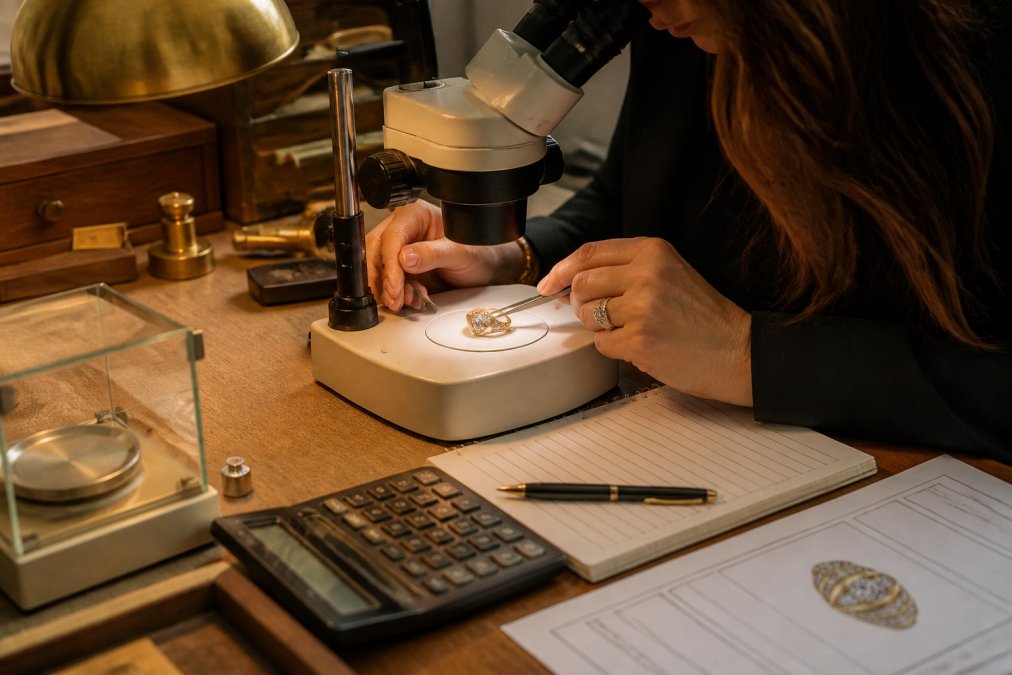
Antique Diamond Certification Process and Its Impact on Fees
The presence or absence of gemological laboratory certification significantly influences appraisal cost and final valuation of your antique diamond jewelry.
GIA and AGS certification requirements
A GIA (Gemological Institute of America) or AGS (American Gem Society) certificate provides independent verification of a diamond's characteristics, documenting carat weight, color grade, clarity grade, cut assessment, and any treatments (gia.edu). For antique diamonds, certification is especially valuable because it provides objective grading from a neutral third party.
If your antique diamond already has a GIA or AGS certificate, the appraisal process becomes simplified. The appraiser can reference certified grades rather than conducting their own grading analysis, reducing time and appraisal cost. However, if your diamond lacks certification, the appraiser must perform a complete grading evaluation, increasing the appraisal fee.
Many antique diamonds were never certified because certification systems didn't exist when they were cut. In these cases, the appraiser must conduct thorough gemological analysis using advanced equipment to determine the diamond's characteristics as accurately as possible.
Why old European cut and old mine cut diamonds command higher fees
Old European cut and old mine cut diamonds present unique challenges that justify higher appraisal fees. These cuts predate modern grading standards and don't fit neatly into contemporary classification systems. An appraiser must assess proportions, symmetry, and light performance using specialized knowledge beyond standard grading protocols.
The complexity requires more time and expertise. An appraiser must consider historical context, understand how light behaves in these specific proportions, and make judgments reflecting both historical standards and modern market expectations. This additional analysis directly increases appraisal cost.
Furthermore, these diamonds often carry historical or artistic significance. An appraiser must research origins, document provenance if available, and potentially consult references about similar pieces. This investigative work adds to the appraisal fee but provides crucial documentation for insurance and estate purposes.
How to Value Inherited Diamond Jewelry
Inheriting antique diamond jewelry often triggers the need for professional appraisal. Understanding the valuation process helps you navigate this task confidently and ensures accurate documentation for insurance, estate tax, or potential sale.
Initial assessment and hallmark identification
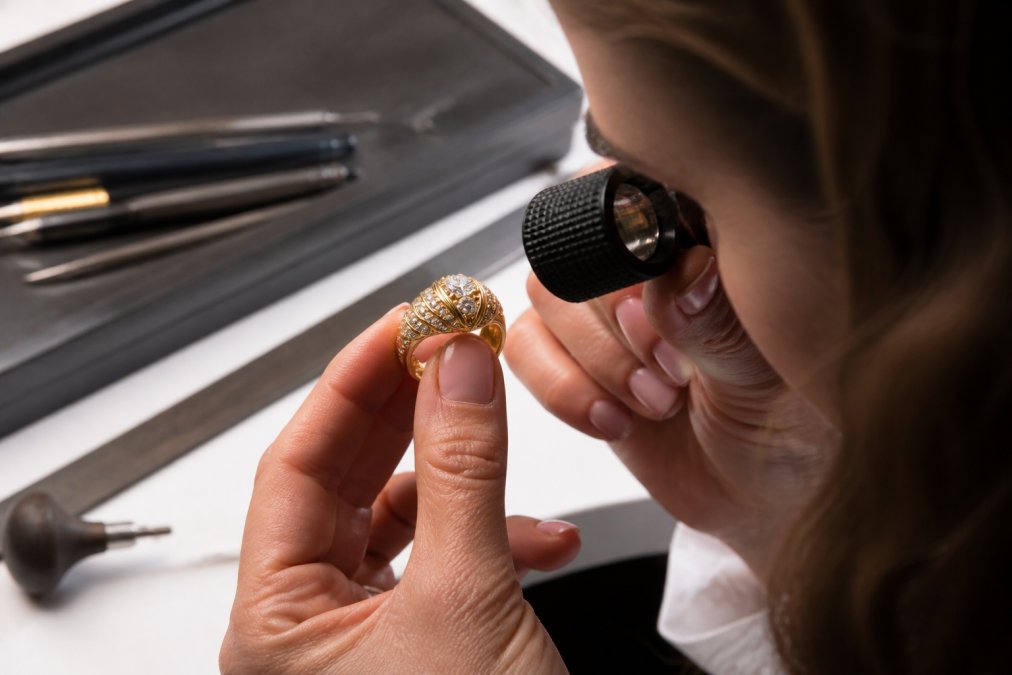
The first step in valuing inherited diamond jewelry is conducting an initial assessment. Examine the piece carefully for hallmarks, tiny stamps indicating metal purity and sometimes the maker's mark or country of origin. Hallmarks provide crucial information about metal composition and can help date the piece.
Hallmarks typically appear on the inside of rings, the clasp of bracelets, or hidden surfaces of pendants. Common formats include numbers like 750 (indicating 18k gold) or 950 (platinum). Once hallmarks are identified, the appraiser can determine the metal's exact composition and assess its weight and value.
Estate tax vs. insurance valuation
Inherited jewelry often requires two different appraisals: one for estate tax purposes and one for insurance. These serve distinct functions and may result in different valuations.
An estate tax appraisal determines the fair market value of jewelry at the time of the deceased's death, used to calculate estate taxes owed. An insurance appraisal determines the current replacement cost, reflecting today's market and labor costs.
Understanding which type of appraisal you need prevents unnecessary expense and ensures you have the right documentation for your specific purpose. If settling an estate, you'll likely need both appraisals. If simply insuring inherited jewelry, an insurance appraisal suffices.
Finding a Qualified Certified Appraiser
Selecting the right appraiser is crucial. A qualified professional provides accurate valuations, thorough documentation, and credible assessments that hold weight with insurance companies and tax authorities.
Professional credentials and conflict of interest
A qualified appraiser should hold credentials from recognized organizations such as the American Society of Appraisers (ASA) or the International Society of Appraisers (ISA) (appraisers.org). These credentials indicate rigorous standards for knowledge, ethics, and professional conduct. Look for designations like "Certified Appraiser" or "Accredited Appraiser."
Equally important is understanding potential conflicts of interest. An appraiser who also buys or sells jewelry may have financial incentive to undervalue your pieces or overvalue pieces you're considering purchasing. The best appraisers maintain independence from buying and selling operations, ensuring valuations reflect objective assessment.
Ask potential appraisers directly about their credentials, experience with antique diamonds, and whether they have buying or selling operations. A reputable appraiser will answer transparently and provide references if requested.
Red flags in appraisal services
Several warning signs suggest an appraiser may not be trustworthy. Appraisers who pressure you to buy or sell jewelry, offer valuations without in-person examination, or base fees on a percentage of the appraised value are operating unethically. The American Society of Appraisers explicitly prohibits contingency fees because this creates financial incentive to inflate valuations (appraisers.org).
Appraisers who rush through examinations or refuse to explain their methodology are also concerning. A thorough appraisal takes time. Avoid appraisers who lack documented credentials or cannot provide client references.
Digital vs. Physical Appraisal Documentation
Modern appraisers use both digital and physical documentation methods. Understanding the differences helps you choose the approach that best suits your needs.
Digital appraisal documentation includes high-resolution photographs, detailed written reports in PDF format, and sometimes video documentation. Digital records are easily stored, shared with insurance companies, and backed up securely.
Physical appraisal documentation consists of printed reports on professional letterhead with the appraiser's credentials clearly stated. Insurance companies often prefer physical reports because they carry the appraiser's original signature and official seal.
The best approach combines both. Request a physical report for your records and insurance company, and ask for a digital copy for your own reference and backup. This dual documentation ensures you have accessible records and official documentation meeting insurance and legal requirements.
When you're ready to commission an appraisal for your antique diamond jewelry, understanding these factors positions you to make informed decisions about appraiser selection, documentation needs, and realistic cost expectations. At LÖF, we work with collectors and heirloom enthusiasts who understand that quality antique diamonds, like those featured in pieces such as The Isotta Ring with its old European cut diamonds and rock crystal, deserve expert evaluation and proper documentation. A professional appraisal protects your investment, provides insurance coverage certainty, and creates a permanent record of your jewelry's characteristics and value for future generations.

Frequently Asked Questions
Q: How much does it typically cost to have antique diamond jewelry appraised?
A: Appraisal costs vary based on complexity and the appraiser's pricing model. Most certified appraisers charge for their services, though intricate items or those requiring gemological laboratory analysis may cost more. Hourly rates and flat fees depend on the piece's complexity. For high-value antique diamonds with unusual cuts like old European cut or old mine cut stones, expect fees at the higher end due to the specialized expertise required for accurate valuation.
Q: What factors influence the cost of jewelry appraisal for insurance?
A: Several factors affect jewelry appraisal for insurance cost: the gemstone's characteristics (carat weight, clarity grade, color grade), metal purity and composition (18k gold, platinum), the piece's condition and provenance, and whether gemological laboratory certification is needed. Antique diamonds typically cost more to appraise than modern stones because they require specialized knowledge of historical cuts and market value assessment. Insurance appraisals also demand detailed documentation and replacement cost calculations, which adds to the final fee.
Q: Why do antique diamonds cost more to appraise than modern diamonds?
A: Antique diamonds, particularly old European cut and old mine cut stones, require specialized expertise to value accurately. These cuts are no longer produced, making market comparisons difficult and requiring appraisers to consult gemological equipment and historical pricing data. Certified appraisers must assess not only the diamond's technical specifications but also its provenance, condition, and rarity. This additional research and analysis time justifies higher appraisal fees.
Q: Do I need a GIA-certified appraiser for antique diamond certification?
A: While not legally required, a GIA-certified or AGS-certified appraiser is strongly recommended for antique diamond certification, especially for high-value pieces. These credentials ensure the appraiser has formal training in gemstone identification and valuation standards. For inherited or estate jewelry, professional credentials provide the documentation needed for insurance coverage and potential estate tax purposes. A qualified appraiser will produce a detailed appraisal report that includes gemological analysis, hallmark verification, and fair market value assessment, all critical for protecting your investment.
This article was written using GrandRanker