

Table of Contents
- What Is Recycled 18k Gold Jewelry?
- How Is Recycled Gold Made for Fine Jewelry?
- Recycled Gold vs Mined Gold Quality: What's the Difference?
- Is 18k Gold Good for Everyday Wear?
- Environmental and Ethical Benefits of Choosing Recycled 18k Gold
- How to Identify Sustainable Jewelry Brands Worth Your Investment
- The Greenwashing Debate: Separating Real Sustainability from Marketing Claims
- Conclusion
- Frequently Asked Questions
Last Updated: September 4, 2026
What Is Recycled 18k Gold Jewelry?
Recycled 18k gold jewelry is fine jewelry crafted from previously used gold, then refined and re-alloyed to 75% pure gold. It offers a way to wear luxury while aligning with responsible sourcing. At LÖF, we craft heirloom-quality pieces from recycled and repurposed gold to honor both the wearer and the planet.
For many buyers, recycled gold offers peace of mind, their purchase doesn't finance environmentally destructive mining. The process transforms scrap gold and old jewelry into new pieces, creating a circular economy where precious metals are continuously reused rather than newly extracted.
Below, we’ll explore exactly how recycled gold is made, whether it matches the quality of newly mined gold, and how to verify that a brand’s sustainability claims hold up under scrutiny.
How Is Recycled Gold Made for Fine Jewelry?
Recycled gold is sourced from outdated jewelry, industrial scrap, and electronic waste. It is then melted down and chemically purified to remove impurities, resulting in a pure gold base indistinguishable from newly mined gold.
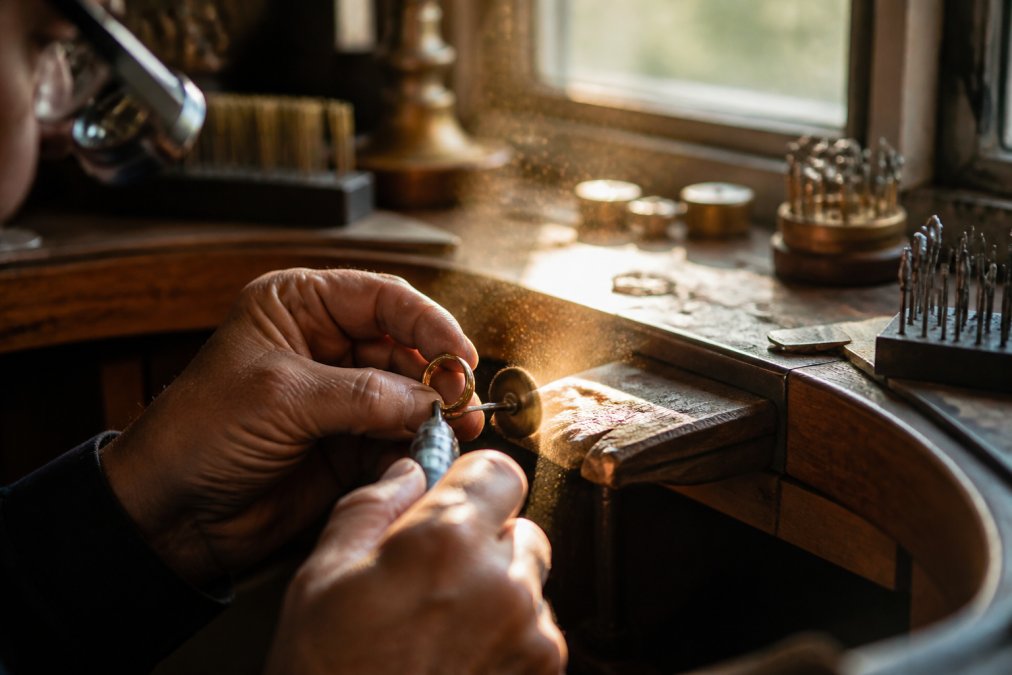
The pure gold is then alloyed with copper, silver, or palladium, 75% gold with 25% other metals for 18k, to create yellow, white, or rose variations. A skilled jeweler works the metal into its final form using time-honored techniques.
Gold does not degrade when melted and re-cast, so recycled 18k gold is structurally identical to virgin gold, offering the same oxidation resistance, longevity, and potential to become a family legacy.
Recycled Gold vs Mined Gold Quality: What's the Difference?
Recycled gold and newly mined gold are molecularly identical. The refining process removes impurities and restores the gold to high purity, offering the same luster, weight, and tarnish resistance as mined gold.
The difference lies in origin: newly mined gold requires earth extraction, causing contamination, water usage, and carbon emissions. Recycled gold bypasses these costs entirely, making it the superior choice for conscious consumers without compromising quality.
Every piece is then hallmarked to certify its purity, ensuring that the quality you pay for is the quality you receive. This hallmarking is your guarantee of the metal’s authenticity, whether it was sourced from a mine or a refinery. The only variable is the ethical weight of the metal, which is far lighter when it carries a recycled pedigree.
Is 18k Gold Good for Everyday Wear?
18k gold is excellent for everyday wear, balancing purity and durability. Its 75% pure gold content gives a rich, warm color that doesn't fade, while alloyed metals provide strength for daily wear.
18k gold is softer than 14k gold and more susceptible to scratches, a trade-off many accept for its deeper, more luxurious color (the NIH). Longevity depends on design and construction, not just the metal.
Maintenance and Care: Recycled vs. Virgin Gold
Recycled 18k gold requires the same care as newly mined gold. Use warm soapy water and a soft brush for regular cleaning, or have your jeweler professionally clean and polish annually.
The real maintenance consideration is the setting and construction: secure stone settings, well-finished prongs, and a sturdy shank determine whether a piece withstands daily wear, regardless of whether the gold is recycled or mined.
Realistic Wear Patterns and Repair Costs
With daily wear, expect visible patina and minor scratches within 2-5 years (peer-reviewed research). A professional jeweler can polish these out in 30 minutes to an hour for $50-$150, a routine part of heirloom jewelry ownership.
Annual inspections ensure prongs remain secure and stones are not loose. A well-made 18k gold piece with secure settings and a strong shank is designed to be worn, loved, and passed down. Regular maintenance, professional cleaning, inspection, and occasional polishing, keeps pieces brilliant and safe for generations.
Environmental and Ethical Benefits of Choosing Recycled 18k Gold
Choosing recycled 18k gold addresses pressing issues in luxury goods. Gold mining causes habitat destruction, toxic waste, and emissions. Recycled gold reduces demand for new mining and its environmental footprint.
Recycled gold supports communities near mining operations by reducing demand for artisanal mining, which often involves unsafe conditions and environmental degradation. This shift encourages brands to adopt responsible sourcing and transparency.
Investing in recycled 18k gold means each piece contributes to a more ethical and sustainable future, conscious consumerism without sacrificing luxury or style.
How to Identify Sustainable Jewelry Brands Worth Your Investment
Identifying sustainable jewelry brands requires examining actual practices and verifiable proof through third-party certifications, hallmarking, and supply chain transparency. "Recycled gold" claims are largely unregulated, so verifying them is essential.
Hallmarking and Certification: Your First Line of Verification
Hallmarking verifies 18k gold purity but not recycled content. A hallmark includes a maker's mark, purity mark (750 for 18k), and assay office mark. The FTC requires karat weight marking but not recycled content disclosure. Some EU assay offices offer optional recycled content certifications.
Ask whether a brand uses certified third-party refiners and can provide refinery certificates or chain-of-custody documentation. Reputable refiners like Umicore and Heraeus maintain detailed records. Brands unwilling to share this information should raise a red flag.
Key Markers of Genuine Sustainability Practices
- Transparent Sourcing: The brand states where gold comes from, names refining partners, and discloses recycled material percentage (e.g., "100% recycled 18k gold").
- Third-Party Certifications: Look for certifications from the Responsible Jewellery Council (RJC) or Alliance for Responsible Mining (ARM), verified by independent auditors.
- Refinery Documentation: Ask for refinery certificates or chain-of-custody documentation.
- Craftsmanship and Design Philosophy: Heirloom-quality designs and timeless aesthetics indicate a move away from fast fashion. Brands encouraging repair prioritize longevity.
- Clear, Quantified Policies: The brand explains environmental impact in specific terms (e.g., "reduces water usage by X gallons per ounce") rather than vague claims.
Red Flags to Avoid
Avoid brands using "ethically sourced" or "responsibly mined" without distinguishing recycled from newly mined gold, or claiming "carbon-neutral" without third-party verification. A brand confident in its practices will answer questions about material origin, refiner name, and recycled content percentage. Transparency combined with exceptional design and verifiable certifications indicates a worthy investment.
The Greenwashing Debate: Separating Real Sustainability from Marketing Claims
The term “greenwashing” refers to the practice of making misleading claims about a product’s environmental benefits. In the jewelry industry, this can manifest as a brand using recycled gold in one small collection while the rest of its products rely on newly mined materials, or making vague statements about “eco-friendly” practices without offering proof. Understanding this debate is crucial for making informed purchases.
To separate real sustainability from marketing claims, look for specifics. Does the brand quantify its environmental impact? Can it trace the gold back to a specific refinery? Does it hold any recognized certifications for its practices? As the FTC’s Green Guides on environmental marketing claims explain, vague and unsubstantiated claims are a red flag.
Build a relationship with the brand and ask direct questions about sourcing. A trustworthy jeweler welcomes scrutiny because their practices stand up to it. At LÖF, every piece of 18k gold jewelry reflects our commitment to ethical craftsmanship and timeless design.
Conclusion
Choosing recycled 18k gold is a decision that marries luxury with responsibility, allowing you to invest in beautiful, heirloom-quality pieces without compromising your values. The benefits are clear: identical quality to mined gold, a significantly reduced environmental footprint, and support for a more ethical jewelry industry. Whether you are seeking a bold statement piece or a classic daily essential, recycled gold offers a legacy that is as pure as its intentions.
At LÖF, we craft our collections from 18k recycled gold and platinum, ensuring that each piece is not only a work of art but also a contribution to a better future. Our commitment to ethical craftsmanship and the use of antique diamonds means your investment is protected by our dedication to quality and transparency. Explore our collection and discover jewelry that honors both you and the planet. Get started with LÖF and find a piece designed to last for generations.
Frequently Asked Questions
Is recycled 18k gold the same quality as newly mined gold?
Yes. Recycled 18k gold is chemically identical to virgin gold, it contains the same 75% pure gold content and performs identically in jewelry. The refining process removes all impurities, making it indistinguishable from newly mined gold in terms of purity, durability, and longevity. The only difference is its origin: recycled gold comes from scrap, pre-loved pieces, or industrial waste rather than new mining. For heirloom-quality jewelry, recycled 18k gold offers the same timeless durability.
What are the environmental benefits of choosing recycled 18k gold?
Recycled 18k gold eliminates the need for new mining, which significantly reduces greenhouse gas emissions, toxic waste, and water contamination. Mining operations release harmful chemicals into water supplies and generate substantial carbon footprints. By choosing recycled gold, you support a circular economy that reduces environmental degradation, protects local ecosystems, and decreases the demand for extractive practices. Switching to recycled precious metals is one of the most direct ways to lower the environmental footprint of luxury jewelry without compromising quality or aesthetics.
How can I verify if a jewelry brand is truly using recycled gold?
Look for third-party certifications and transparent supply chain documentation. Reputable sustainable jewelry brands provide hallmarking certificates, recycled content verification, and clear sourcing information. Ask brands directly about their refining partners and request documentation of their recycled metal sourcing. Avoid brands that use vague terms like 'eco-friendly' without supporting evidence. Trustworthy makers like LÖF openly share their commitment to recycled materials and ethical sourcing, allowing customers to verify authenticity before purchase.
Does 18k gold hold up well for everyday wear?
18k gold is excellent for daily jewelry. With 75% pure gold content, it offers superior durability compared to lower karatages while maintaining the malleability needed for intricate designs. It resists oxidation and tarnishing far better than lower-karat gold or silver, making it ideal for pieces worn constantly. Whether recycled or newly mined, 18k gold jewelry can last generations with proper care. Its strength and resistance to wear make it the preferred choice for heirloom pieces and everyday statement jewelry that will be treasured for decades.
This article was written using GrandRanker