

Table of Contents
- What Makes 18k Gold Heirloom Quality
- Is 18k Gold Better Than Platinum for Heirlooms
- Durability and Longevity: Built to Last Generations
- How to Care for Heirloom Gold Jewelry
- Investment Value and Generational Wealth
- Ethical Sourcing and Environmental Responsibility
- Frequently Asked Questions
Last Updated: September 3, 2026
What Makes 18k Gold Heirloom Quality
An 18k gold heirloom piece contains 75% pure gold mixed with 25% alloy metals, engineered to withstand generations of wear while retaining beauty and value (nist.gov). This balance between purity and durability separates heirloom-quality jewelry from everyday pieces.
Pure 24-karat gold is too soft for daily wear, bending and scratching easily. Alloy metals like copper, silver, or palladium strengthen it while preserving the warm glow and prestige of fine jewelry. The 75% threshold delivers enough pure gold for lasting value and color while ensuring durability through decades of wear.
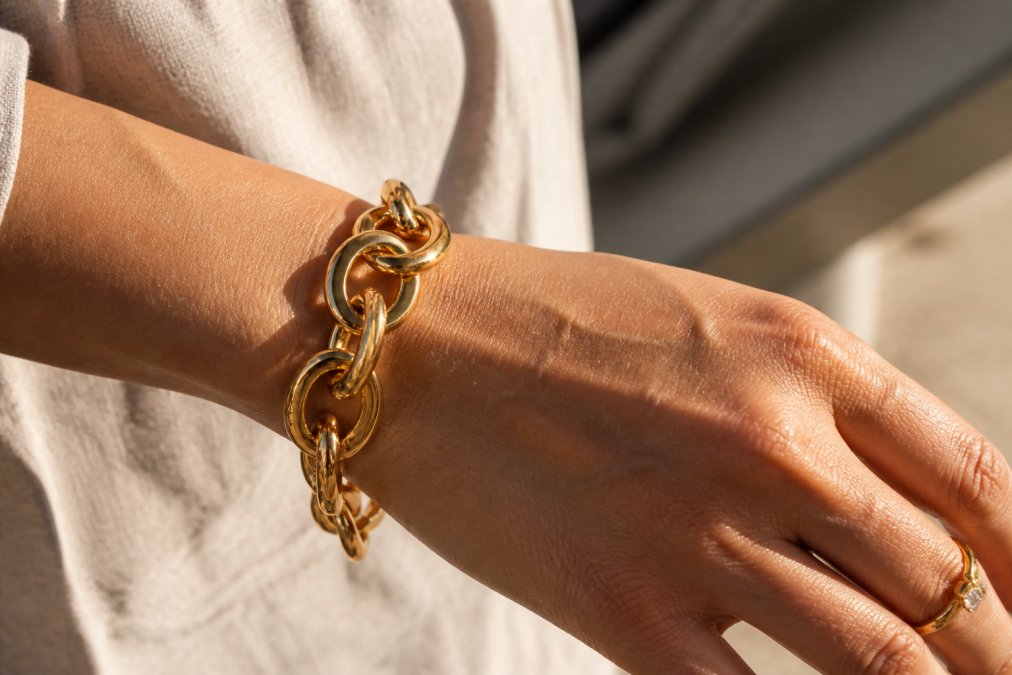
LÖF specializes in this calibration, handcrafting designs like The Griffith Bracelet and The André Necklace in solid 18k yellow gold. The hallmark stamped inside certifies purity, a promise future generations can verify.

Heirloom jewelry is distinguished by intentionality and design that ages beautifully. Craftsmanship accounts for wear, avoiding finishes that fade or plating that wears through. A well-made 18k gold piece improves with age, developing patina and lived-in warmth that no new piece can replicate.
Alloy composition affects durability and how pieces respond to cleaning and skin chemistry. Yellow gold uses copper and silver; rose gold adds more copper; white gold uses nickel or palladium. Recycled 18k gold carries identical properties to newly mined gold but eliminates environmental and human extraction costs.
Is 18k Gold Better Than Platinum for Heirlooms
Comparing 18k gold and platinum for heirlooms is about matching your needs and values, not choosing a superior metal. Both last generations and resist tarnish, but behave differently in practice.
Platinum is denser, harder, and noticeably heavier than 18k gold. It resists scratching, though scratches displace metal rather than wear it away. Resizing requires specialized expertise not all jewelers possess, complicating future repairs.
18k gold scratches and wears over time, a feature, not a flaw. Scratches become the visible record of a piece's life and story. Platinum maintains its original finish indefinitely, preferred by those seeking a neutral canvas.
Platinum requires less frequent polishing; 18k gold benefits from regular professional polishing. Those committed to active stewardship find 18k gold rewarding; those seeking minimal maintenance prefer platinum.
Platinum typically costs 50-100% more than 18k gold, driven by rarity and specialized labor. A platinum piece reflects different priorities around durability, aesthetics, and budget, not inherent superiority.
Durability and Longevity: Built to Last Generations
18k gold's alloy composition creates a sweet spot: it bends slightly under pressure rather than cracking, absorbs impact without shattering, and maintains structural integrity through decades of daily contact.
Durability requires thoughtful design beyond metal composition. Well-proportioned designs distribute stress and last longer; clasp mechanisms are often the first point of failure. LÖF's pieces like The Empire Strand prioritize structural integrity in every component.

Copper in yellow gold can react with sensitive skin, creating a green tint (peer-reviewed research). Palladium eliminates this risk while adding durability, reflecting commitment to wearability across a lifetime.
Professional appraisals document purity, weight, and condition, protecting current owners and future inheritors while establishing provenance. Insurance appraisals protect against loss and create records that become part of the heirloom's story. properties of gold.
Even the finest 18k gold piece eventually needs professional restoration, a prong retightened, clasp replaced, scratches polished. Access to skilled restoration distinguishes true heirlooms from forgotten pieces. LÖF's handcrafted work ensures pieces can be serviced by jewelers who understand the original design intent.
How to Care for Heirloom Gold Jewelry
Regular cleaning preserves 18k gold's color and shine. Use a soft microfiber cloth with warm water and mild dish soap, drying immediately to prevent water spots. For deeper cleaning, use jeweler-grade gold cleaner with a soft brush.
Avoid harsh chemicals like chlorine, bleach, and some perfumes. Remove jewelry before swimming, chlorinated showers, or housework. Avoid extreme temperature changes that stress metal and stones.
Store 18k gold in a cool, dry place away from sunlight. Use a soft-lined jewelry box and separate stacked pieces with tissue paper to prevent scratching. Avoid damp environments like bathrooms.
Professional polishing every 1-2 years maintains appearance while a jeweler assesses for loose settings or worn clasps. This preventive approach extends a piece's lifespan significantly.
Ultrasonic cleaners can damage certain stones. Ask your jeweler for guidance based on your piece's composition. Antique diamonds may have inclusions requiring extra care during cleaning.
Investment Value and Generational Wealth
18k gold carries intrinsic market value tied to global prices. Unlike fashion jewelry, heirloom pieces maintain purchasing power and resale value, particularly for pieces with significant weight and purity.
Real investment lies in craftsmanship and design. Handcrafted pieces like LÖF's The Empire Chains with Stones combine material and artistic value through custom links, gemstone selection, and engineering that transcends commodity pricing.
Heirloom jewelry accumulates story and lineage, increasing both sentimental and market value. Collectors recognize pieces with clear provenance and evidence of careful stewardship, pricing them accordingly.
Professional appraisals establish baseline value, protect against loss through insurance, and document composition and condition. Proper documentation helps with inheritance tax implications and future restoration or claims.
Investing in 18k gold heirloom pieces reflects a philosophy of holding value in something tangible, wearable, and beautiful. It's a hedge against inflation, a store of value that doesn't depreciate, and a legacy asset that gains meaning with each generation.
Ethical Sourcing and Environmental Responsibility
Gold mining carries significant environmental and human costs: water consumption, toxic waste, and community displacement (unep.org). Recycled gold, reclaimed from old jewelry and electronics, is chemically identical to newly mined gold but eliminates extraction costs and environmental impact.
LÖF's commitment to recycled gold reflects the principle that luxury shouldn't require harm. Choosing recycled 18k gold affirms that both beauty and ethical origin matter.
Diamonds and colored stones can come from conflict zones or mines with poor labor practices. Ethical sourcing traces stones to their origin and verifies fair labor and environmental standards. Antique diamonds sidestep these issues entirely, requiring no new extraction.
Handcrafted pieces require skilled labor and time, the opposite of fast fashion. A piece made to last generations uses fewer resources per year of wear than cheap pieces replaced frequently. Heirloom jewelry is the lower-impact choice despite higher upfront cost.
Transparency about sourcing is where many brands fall short. Ask questions and request documentation. LÖF publishes details about recycled metal content, antique diamond sourcing, and gemstone provenance. You deserve to know exactly where your heirloom came from and its true cost.
| Aspect | 18k Gold | Platinum |
|---|---|---|
| Purity | 75% pure gold | 95% pure platinum |
| Durability | Scratches over time; adds character | Resists scratching; maintains finish |
| Weight | Lighter; comfortable for daily wear | Heavier; substantial feel |
| Maintenance | Requires periodic polishing | Minimal maintenance needed |
| Repairability | Most jewelers can service | Requires specialized expertise |
| Environmental Impact | Recycled options available | Limited recycled supply |
| Cost | Lower than platinum | 50-100% premium over gold |
| Best For | Daily wear heirlooms | Statement pieces; minimal care |
The decision to invest in an 18k gold heirloom piece is fundamentally about choosing permanence in a disposable world. It's about selecting an object that improves with age, that connects you to the past and future, and that carries both intrinsic value and irreplaceable meaning. LÖF's handcrafted designs, each one engineered for durability, sourced ethically, and built to last generations, embody this philosophy. When you choose an 18k gold heirloom, you're not just buying jewelry. You're making a statement about what matters: craftsmanship over trends, sustainability over convenience, and legacy over convenience. Start your heirloom collection with LÖF's curated 18k gold pieces and discover jewelry designed to become part of your family's story.
Frequently Asked Questions
Is 18k gold durable enough for everyday heirloom wear?
Yes. The 75% pure gold content in 18k gold, combined with its alloy composition, creates a metal with excellent tensile strength for daily wear. Unlike pure gold, which is too soft, 18k gold resists denting and scratching while maintaining its saturated color and aesthetic appeal. With proper maintenance, 18k gold jewelry withstands years of wear and remains suitable for passing down through generations as a true heirloom piece.
How does 18k gold compare to platinum for heirloom quality jewelry?
Both metals excel as heirloom choices, but differ in character. 18k gold offers warmth, saturated color, and easier repair for generational restoration. Platinum is denser, hypoallergenic, and requires no replating. 18k gold is lighter to wear daily and holds intrinsic value through its pure gold content. Platinum offers superior durability against wear and tear. The choice depends on personal preference: 18k gold for timeless aesthetic appeal and traditional craftsmanship, platinum for maximum durability and chemical resistance.
What are the primary disadvantages of 18k gold compared to 14k?
18k gold is softer than 14k due to higher pure gold content (75% vs 58.3%), making it more prone to bending under stress. It costs significantly more because of its higher gold content and karat value. However, this softness is intentional for fine jewelry, it allows for intricate craftsmanship and easier resizing during generational repair. For heirloom pieces designed for occasional wear or careful daily use, 18k gold's superior purity and saturated color outweigh the durability trade-off.
Does 18k gold hold its value as an investment piece?
18k gold retains intrinsic value tied directly to its pure gold content and current market prices. Unlike fashion jewelry, heirloom-quality 18k gold pieces maintain resale value and can appreciate with proper appraisal and professional documentation. The craftsmanship, design, and hallmark certification all support long-term value. For generational wealth, 18k gold serves as both a wearable asset and an investment, especially when sourced ethically and maintained properly over decades.
This article was written using GrandRanker