

Table of Contents
- What Does Loef Mean? Definition and Core Meanings
- How to Pronounce Loef: Phonetic Guide
- Loef in Nautical and Sailing Terminology
- Sustainable Fine Jewelry Brands and Cultural Meanings
- Ethically Sourced Gemstone Jewelry and Artistic Expression
- Disambiguating Loef: Multiple Meanings and Contexts
- Conclusion
Last Updated: August 30, 2026
What Does Loef Mean? Definition and Core Meanings
Loef is a Dutch nautical term referring to the windward side of a vessel, the side facing the wind. Beyond maritime terminology, the word has evolved to encompass lifestyle branding, cultural identity, and artistic expression, particularly within contemporary luxury and sustainable fashion communities.
In traditional Dutch sailing culture, understanding loef was essential for navigators managing vessel positioning. Today, the word appears across fashion, jewelry, and lifestyle contexts, representing a philosophical approach to design and conscious consumption. At LÖF, we recognize that language carries meaning beyond its literal definition. Our approach to sustainable fine jewelry draws inspiration from this principle, recontextualizing traditional craftsmanship for contemporary conscious consumers who demand both luxury and ethical responsibility.
Nautical and Sailing Definition
In maritime terminology, loef (also spelled "luff" in English nautical contexts) describes the side of a vessel that faces the wind. When a ship is on the loef, its sails catch wind most effectively, maintaining optimal sailing angles relative to wind direction.
The concept extends to specific sailing maneuvers like tacking, the process of changing direction by turning the bow through the wind. Understanding loef positioning helps crews anticipate vessel response to wind shifts and water conditions. The windward positioning directly affects sail tension, boat speed, and crew safety. Experienced sailors develop intuitive knowledge of optimal loef positioning, a foundational maritime skill passed down through generations of Dutch and Northern European sailors.
Etymology and Dutch Origins
The word loef originates from Dutch maritime culture during the Golden Age of Dutch sailing and trade expansion in the 16th and 17th centuries. The Dutch were among the world's most skilled navigators, and their maritime terminology influenced naval language across Europe (peer-reviewed research). The term reflects the practical vocabulary sailors developed to communicate complex sailing concepts quickly and precisely.
Etymologically, loef connects to Germanic and Dutch linguistic roots related to wind direction and positioning (etymonline.com). The word entered English nautical vocabulary as "luff," maintaining similar phonetic and semantic properties while adapting to English spelling conventions. When contemporary brands adopt the term, as in the luxury jewelry maison LÖF, they're drawing on this historical resonance of skilled craftsmanship, precision, and respect for natural materials.
How to Pronounce Loef: Phonetic Guide
The pronunciation of loef varies slightly between Dutch and English maritime contexts. In Dutch, loef is pronounced /luf/, with a clear, short vowel sound. The "oe" digraph represents a single vowel sound similar to the "oo" in English "book," but slightly more rounded. The final "f" is a soft fricative.
Breaking down the pronunciation:
- L, pronounced as in English "light"
- oe, sounds like the "oo" in "book" with slightly more lip rounding
- f, soft, fricative sound at the end
In English maritime contexts, sailors often pronounce it as /lʌf/, rhyming roughly with "buff" or "cuff." This English adaptation reflects how borrowed nautical terms integrate into English phonetic patterns. Both pronunciations are mutually intelligible within maritime contexts, though native Dutch speakers will recognize the English adaptation as a linguistic borrowing.
Regional Linguistic Variations
The pronunciation of loef shifts subtly across Northern European regions where Dutch maritime influence remains strong. In Flemish Dutch, speakers may emphasize the vowel slightly differently. German maritime communities, influenced by centuries of trade with Dutch sailors, adopted similar pronunciation patterns adapted to German phonetic conventions.
English-speaking maritime communities around the North Sea and Baltic regions often preserve closer approximations to the original Dutch pronunciation than inland English sailors. Professional maritime training programs teach standardized pronunciations, yet local sailing communities maintain subtle phonetic distinctions tied to their geographic heritage.
Loef in Nautical and Sailing Terminology
Nautical terminology preserves loef as a precise concept in sailing instruction and vessel management, encapsulating both a physical position and tactical considerations essential to safe and effective water operation.
Windward Side and Sailing Maneuvers
The loef represents the windward side of a vessel, where wind approaches and sails generate lift to propel the boat forward. Understanding loef positioning is fundamental to every aspect of sailing, from basic sail trimming to advanced racing tactics.
When sailors discuss bringing a vessel onto the loef, they're positioning the boat so wind strikes sails at optimal angles. This positioning affects sail efficiency, boat speed, crew weight distribution, and stability. Tacking, the fundamental maneuver for changing direction, involves rotating the vessel through the wind while managing loef positioning throughout the turn. Racing sailors spend years developing sensitivity to minute changes in loef positioning that determine competitive outcomes.

Facing the Wind and Luffing
When a vessel moves too close to the wind direction, approaching "luffing point," the sails lose efficiency and begin to flutter. This flutter indicates the vessel has moved beyond optimal loef positioning and serves as immediate feedback about wind angle and vessel positioning.
Understanding luffing helps sailors recognize when their vessel needs adjustment. The relationship between loef positioning and luffing demonstrates why maritime terminology remains precise and specific. When a Dutch sailor says a vessel is on the loef, experienced maritime professionals immediately understand the vessel's position relative to wind, expected sail behavior, and tactical implications for navigation and safety.
Sustainable Fine Jewelry Brands and Cultural Meanings
Beyond nautical contexts, loef has been adopted as a brand name and cultural identifier within contemporary luxury and sustainable jewelry communities. This adoption reflects how meaningful words migrate across cultural domains, carrying historical resonance while acquiring new significance.
Lifestyle and Streetwear Identity
In contemporary luxury culture, loef represents a lifestyle philosophy centered on conscious consumption, craftsmanship, and cultural identity. Brands adopting this terminology position themselves within communities that value authenticity, sustainability, and meaningful design over disposable fashion trends.
The word appeals to affluent consumers aged 28-55 who seek jewelry functioning as both personal adornment and philosophical statement (the NIH). These consumers research brand values, material sourcing, and production ethics before purchasing. They view jewelry as investment pieces and heirlooms meant to be worn daily and passed through generations rather than seasonal accessories.
Sustainable fine jewelry brands emphasize the connection between material quality, ethical sourcing, and lasting design. A piece crafted from recycled precious metals and ethically sourced gemstones carries meaning beyond aesthetic appeal, representing the wearer's values and commitment to conscious consumption.
Community and Brand Culture
The adoption of terms like loef within jewelry communities signals participation in a specific cultural conversation. Consumers who engage with sustainable fine jewelry brands become part of communities prioritizing transparency, craftsmanship, and environmental responsibility.
LÖF, founded by jeweler and designer Morgan Mackintosh, exemplifies this community-centered approach. The brand attracts discerning collectors who appreciate architectural, modernist design paired with uncompromising material standards. Each piece combines 18k gold, platinum, and ethically sourced gemstones, creating jewelry that functions as both wearable art and ethical investment.
The community surrounding sustainable jewelry brands creates accountability mechanisms that traditional luxury houses often lack. Consumers actively discuss material sourcing, production practices, and design philosophy. This transparency builds trust and distinguishes genuine commitment to sustainability from marketing positioning.
Ethically Sourced Gemstone Jewelry and Artistic Expression
The integration of loef terminology into jewelry branding reflects how contemporary artists and designers recontextualize language to express new creative philosophies. Ethically sourced gemstone jewelry represents a fundamental shift in how luxury consumers evaluate value, quality, and meaning.
Visual Media and Photography Representation
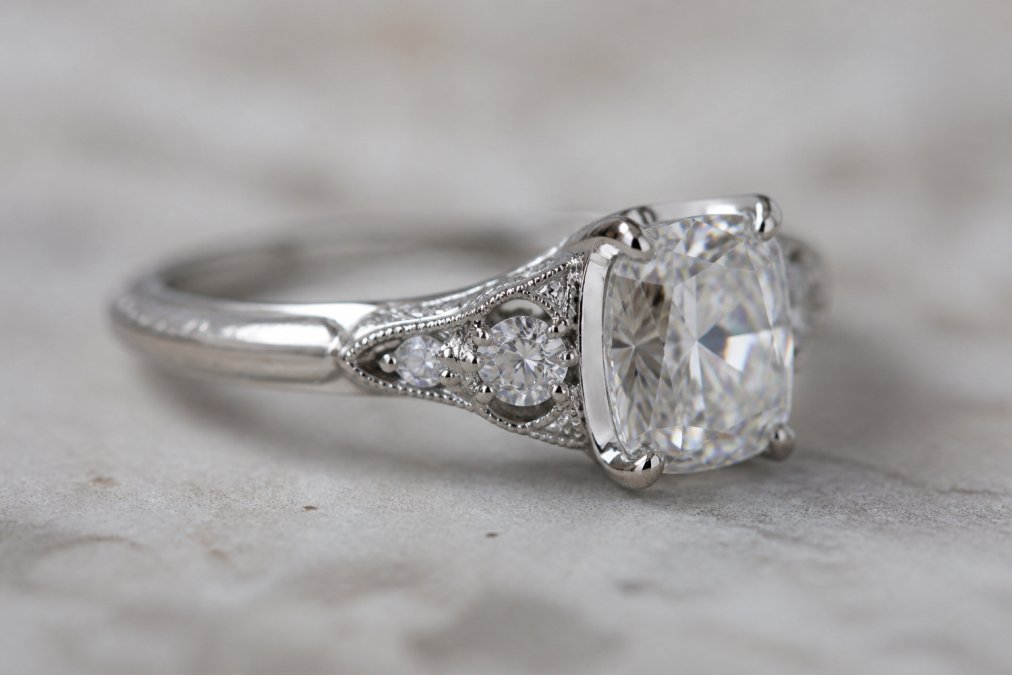
Contemporary jewelry brands use photography and visual media to communicate their commitment to ethical sourcing and artistic vision. High-resolution imagery showcasing gemstone detail, metal craftsmanship, and architectural design allows consumers to evaluate pieces with precision typically reserved for in-person viewing.
Professional jewelry photography captures the interplay of light through gemstones, revealing color saturation, clarity, and cut quality. This visual documentation authenticates gemstone quality, demonstrates craftsmanship, and creates emotional connection between consumer and piece.
Social Media Presence and Artist Profiles
Jewelry designers and brands maintain active social media presence to showcase their work, share sourcing stories, and build community engagement. This direct communication channel allows designers to explain their creative process, highlight specific pieces, and respond to customer questions about material authenticity and ethical sourcing.
Social media platforms enable jewelry artists to position themselves as creative voices rather than anonymous manufacturers. Instagram, in particular, has become essential infrastructure for luxury jewelry brands seeking to reach conscious consumers. High-quality imagery, behind-the-scenes content, and direct designer communication create engagement patterns that distinguish authentic brands from mass-market competitors.
Disambiguating Loef: Multiple Meanings and Contexts
The word loef demonstrates how language adapts across cultural and professional domains. A single term carries distinct meanings for Dutch sailors, contemporary jewelry consumers, and international luxury audiences.
The nautical definition remains primary within maritime contexts, where loef refers specifically to windward positioning and sailing dynamics. This technical meaning has remained stable for centuries because it describes precise physical phenomena essential to vessel operation.
Contemporary adoption of loef within luxury and lifestyle branding represents linguistic evolution. When brands adopt meaningful words from other languages and cultural domains, they participate in the same process that created English maritime terminology from Dutch sources. This adoption signals connection to heritage values, craftsmanship, precision, respect for natural materials, while claiming relevance to contemporary ethical concerns.
The disambiguation of loef requires recognizing that words carry multiple valid meanings simultaneously. A person researching loef might seek nautical information, jewelry brand details, or linguistic analysis. This multiplicity reflects how contemporary culture operates, where professional terminology, brand identity, and cultural meaning intersect and overlap.
The word loef carries profound meaning whether you're navigating maritime contexts or exploring contemporary luxury jewelry. Understanding its nautical roots, pronunciation nuances, and modern applications enriches appreciation for how language evolves across professional communities and cultural domains.
For those drawn to the values embedded in loef, precision, ethical responsibility, artistic excellence, LÖF offers jewelry that embodies these principles. Each piece combines architectural design with uncompromising material standards: 18k gold, platinum, and ethically sourced gemstones crafted into bold, heirloom-quality statement pieces. Discover how sustainable luxury jewelry can serve as both personal adornment and meaningful investment. Explore LÖF's collection and choose options that reflect your values and aesthetic vision. With the LÖF Gift Card, you can share this commitment to conscious luxury with others who appreciate authentic craftsmanship and ethical responsibility.
Frequently Asked Questions
What does loef mean in English?
Loef has multiple meanings depending on context. In nautical terminology, it refers to the windward side of a ship or the act of turning a ship to face the wind, a fundamental sailing maneuver. The term originates from Dutch sailing traditions and remains essential in maritime vocabulary. Beyond sailing, loef carries cultural and lifestyle associations in contemporary contexts, including streetwear and community-driven brand identities.
How do you pronounce loef correctly?
Loef is pronounced as a single syllable: /lœf/ in IPA notation. The vowel sound resembles the 'oe' in Dutch, sitting between the English 'o' and 'u'. In English approximation, it sounds closest to 'luff' or 'loof.' Regional variations exist, particularly in Dutch-speaking regions where the pronunciation maintains its original Dutch phonetic quality, while English speakers typically adapt it to /lʊf/, rhyming with 'roof.'
Is loef a nautical term, and what does it mean in sailing?
Yes, loef is a core nautical term in sailing. It describes the windward side of a vessel or the maneuver of turning a ship toward the wind. When a sailor commands 'loef,' they instruct the helmsman to steer the ship so its bow turns toward the wind, causing the sails to luff or flutter. This fundamental sailing technique is essential for navigation and remains standard vocabulary on ships and sailing vessels worldwide.
What is the etymological origin of the word loef?
Loef originates from Dutch maritime heritage, derived from the Dutch word 'loef' or 'loeving,' reflecting centuries of Dutch seafaring tradition. The term evolved through European nautical culture as Dutch sailors were among the world's most accomplished navigators. The word entered English maritime vocabulary during periods of significant naval interaction between Dutch and English fleets, becoming standardized in sailing terminology. Its etymological evolution demonstrates how language adapts across cultures and technical domains.
This article was written using GrandRanker