

Table of Contents
- 1. Assess Gemstone Condition Before Any Care
- 2. How to Clean Gemstone Jewelry Without Causing Damage
- 3. How to Store Gemstone Jewelry to Prevent Scratches
- 4. Protecting Fragile Gemstones from Sunlight, Heat and Humidity
- 5. Heirloom Jewelry Restoration: When to Repair, Reset or Redesign
- 6. Routine Inspection and Professional Maintenance
- 7. Documentation, Provenance and Insurance for Heirloom Gemstones
- Frequently Asked Questions
Last Updated: October 7, 2026
1. Assess Gemstone Condition Before Any Care
To preserve heirloom gemstones, start with knowing exactly what you own before you touch it.
Gemstone condition refers to the physical state of a stone and its setting, including surface wear, internal fractures, and the security of the metal holding it.
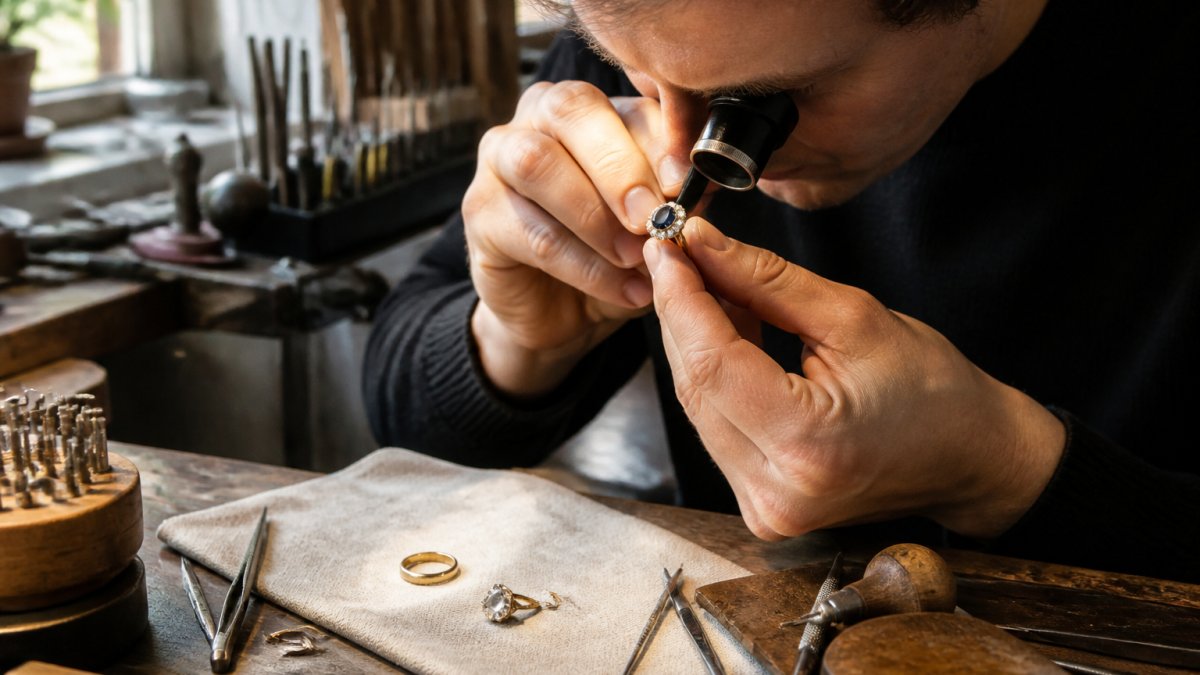
Work under bright, indirect light with a loupe or magnifying glass. Check for chips along the girdle, scratches on the facet edges, and any cloudiness that wasn't there before.
What to Look For in Loose Settings and Surface Wear
A loose setting is the single most common cause of avoidable gemstone loss. Test each stone gently with a fingertip: if it shifts or clicks, stop wearing the piece until a jeweler tightens the prongs. Worn prong tips, thin shanks, and stretched ring bands all signal that the metal has fatigued over decades of wear.
If you inherited a piece with an unknown stone, a gemologist can identify it and note any treatments, which matters for both care and insurance.
2. How to Clean Gemstone Jewelry Without Causing Damage
The safest way to clean gemstone jewelry is warm water, a drop of mild dish soap, and a soft baby toothbrush. This combination lifts skin oils and dust without the abrasion that harsh cleaners and ultrasonic machines can cause.
But that general method is only safe for some stones. The real risk comes from three properties: hardness (how easily a stone scratches), cleavage (how it breaks along internal planes), and porosity (whether it absorbs liquids).
Safe Methods and Materials to Avoid
Not every stone tolerates the same treatment. Knowing how to clean gemstone jewelry by type prevents the slow damage that shows up years later.
| Gemstone | Safe Cleaning | Avoid |
|---|---|---|
| Diamond, sapphire, ruby | Warm soapy water, soft brush | Chlorine, harsh acids, sudden temperature change |
| Emerald, tourmaline | Warm water, soft cloth only; dry immediately | Ultrasonic, steam, soaking, household chemicals |
| Opal, pearl, turquoise | Damp cloth, dry immediately | Soaking, chemicals, heat, ultrasonic |
| Spinel, topaz | Warm soapy water, soft brush | Steam, ultrasonic if treated, sudden temperature change |
| Amethyst, citrine, rose quartz | Warm soapy water, soft brush | Prolonged sunlight, heat, ultrasonic if fractured |
| Jade, lapis lazuli | Warm water, soft cloth; avoid detergents | Ultrasonic, steam, acids, prolonged soaking |
Skip ultrasonic cleaners for emeralds, opals, pearls, turquoise, and any treated or fracture-filled stone. Steam cleaners are risky for almost all colored gems because heat can crack a stone or damage a treatment. When in doubt, use the mildest method: lukewarm water, a soft cloth, and no soaking.
When to Stop DIY Cleaning and See a Professional
Some cleaning jobs are not for home. Stop and consult a jeweler or gemologist if you notice:
- A loose stone or prong that moves when touched
- A crack, chip, or fracture you can see or feel
- Cloudiness or discoloration that does not come off with gentle cleaning
- An unknown stone or a stone with a known treatment (fracture-filled, oiled, dyed)
- Dirt trapped under the setting that a soft brush cannot reach
A professional can clean with ultrasonic or steam only after confirming the stone is safe for it. They can also tighten prongs, check for hidden damage, and advise on whether the piece should be worn at all. For heirlooms, the cost of a professional cleaning is trivial compared to the cost of replacing a damaged antique stone.
3. How to Store Gemstone Jewelry to Prevent Scratches
The right way to store gemstone jewelry is one piece per compartment, because gemstones scratch each other. Diamond, at 10 on the Mohs scale, will carve into softer stones like emerald and opal with nothing more than a light bump.
- Line a jewelry box with soft fabric
- Use individual pouches or zip-lock bags per piece
- Add dividers between rings and bracelets
- Keep chains clasped to prevent tangling
- Store the box away from direct heat
Common Storage Mistakes That Cause Abrasion
The biggest storage mistake is the traditional open jewelry box where everything tumbles together. Abrasion happens quietly: two rings touching for months leave fine scratches that dull a polish and, over years, wear down facet edges.
A zip-lock bag also slows tarnish on silver and keeps humidity away from moisture-sensitive stones.
4. Protecting Fragile Gemstones from Sunlight, Heat and Humidity
Fragile gemstones fade and crack when exposed to the wrong environment. Amethyst, rose quartz, and citrine can lose color under prolonged sunlight, while opals and pearls dry out and craze in low humidity.
Store jewelry in a cool, dry, dark place. A drawer or safe away from windows works better than a display stand on a sunny dresser.
Heat matters too. Never leave gemstone jewelry on a radiator, near a stove, or in a hot car. Sudden temperature swings are what crack stones that have survived intact for a century.
5. Heirloom Jewelry Restoration: When to Repair, Reset or Redesign
(https://lofjewellery.com/products/the-isotta-ring) shows how antique diamonds can be honored in a new architectural setting rather than cut down to fit a modern mold.Preserving Provenance Through Restoration
Restoration is also a documentation opportunity. Before any work begins, photograph the piece from multiple angles, note any existing repairs or treatments, and gather any old appraisals or receipts. After restoration, keep the written plan, the new appraisal, and before-and-after photographs together. This record preserves both the heirloom's story and its financial value, and it helps the next generation understand what was original and what was changed.
6. Routine Inspection and Professional Maintenance
Routine inspection catches problems while they are still cheap to fix. Check prongs, clasps, and chain links every few months, and book a professional check once a year for pieces you wear often.
A jeweler can tighten prongs, re-tip worn claws, and re-polish metal without touching the stone. This is maintenance, not restoration, and it is what keeps a piece wearable for another generation.
In practice, the pieces that survive best are the ones worn and serviced regularly, not locked away.
7. Documentation, Provenance and Insurance for Heirloom Gemstones
Documentation is what turns a pretty stone into a protected asset.
Gather what you have: old appraisals, receipts, family photographs, and any gemstone certificates. Have a qualified appraiser value the piece for insurance, and update that valuation every few years as metal and gem prices shift.
- Photograph each piece from multiple angles
- Store certificates separately from the jewelry
- Note any known treatments or repairs
- Add the piece to your home insurance or a separate rider
- Keep a digital backup of all documents
For antique stones, certificates matter. The Isotta Ring ships with certificates for its antique diamonds, and pieces like The Valentine Ring include certified gemstones, so the paperwork is ready for your own records from day one. If you are commissioning something new to hold an inherited stone, our custom pieces can be documented to match.


Preserving heirloom gemstones for the next generation takes more than a safe. It takes deliberate care, honest assessment, and the willingness to reset a piece so it can actually be worn.
Frequently Asked Questions
How should you store heirloom gemstones?
Store each piece separately in a soft pouch or a compartmented jewelry box to prevent contact and scratches. For extra protection, place pieces in a zip-lock bag with a small piece of anti-tarnish paper. Keep the box in a dry, cool spot away from direct sunlight and humidity. If you own several heirloom gemstones, use dividers so harder stones like diamonds cannot abrade softer ones like emeralds or opals. Always ensure clasps are fastened to avoid tangling.
How do you clean heirloom gemstone jewelry safely?
Most heirloom gemstones can be cleaned with lukewarm water, a drop of mild dish soap, and a soft-bristled brush. Gently scrub the stone and setting, then rinse and pat dry with a lint-free cloth. Avoid steam cleaners, ultrasonic cleaners, and harsh chemicals on fragile stones such as emeralds, opals, or pearls. If the stone is treated or you are unsure, consult a professional jeweler before cleaning. Always work over a soft towel to prevent accidental drops.
Which gemstones should not be stored together?
Never store diamonds with softer gemstones like emeralds, opals, or pearls. Diamonds are the hardest gemstone and will scratch anything they touch. Similarly, ruby and sapphire can scratch softer stones. Store each piece in its own soft pouch or compartment. If you must store multiple pieces together, wrap each in acid-free tissue or place them in separate zip-lock bags. This simple step prevents abrasion and preserves the surface polish of your heirloom gemstones.
How often should heirloom jewelry be inspected?
Inspect heirloom jewelry every six months for loose prongs, worn settings, or cracked stones. If you wear a piece daily, check it more often, ideally every few weeks. Look for movement in the stone, discoloration, or scratches on the metal. A jeweler can tighten prongs, replace worn tips, and check for structural weakness. Regular inspection catches small issues before they become expensive repairs, helping you preserve the piece for future generations.
Should you insure valuable heirloom gemstones?
Yes, insuring valuable heirloom gemstones is wise. Get a professional appraisal that documents the stone's type, carat weight, cut, color, clarity, and any treatments. Keep the appraisal, original receipts, and photographs in a safe place. Add the piece to your homeowner's or renter's insurance policy or take out a separate jewelry policy. If the piece is lost, stolen, or damaged, insurance can cover restoration or replacement. Update the appraisal every few years as market values change.