

Table of Contents
- What Makes Jewelry a Sustainable Luxury Asset
- Why Is Platinum Jewelry More Expensive Than Gold
- Value Retention in Luxury Jewelry: Metals, Stones, and Craft
- How to Verify Ethical Fine Jewelry Brands
- Resale Market Mechanics and Insurance for Sustainable Pieces
- Quantitative Performance and Environmental Impact Metrics
- Building an Heirloom Collection with LÖF
- Frequently Asked Questions
Last Updated: September 11, 2026
What Makes Jewelry a Sustainable Luxury Asset
Sustainable luxury jewelry is fine jewelry crafted from recycled precious metals, ethically sourced gemstones, and conflict-free materials, designed to hold value across decades rather than seasons. According to the Responsible Jewellery Council's certification standards, responsible sourcing requires verified supply chain transparency from mine to market. This guide from LÖF examines how those pieces function as investments, not just accessories.
Two forces drive the category. First, commodity stability: gold and platinum trade on global markets, so the raw material inside a ring retains baseline value regardless of fashion. Second, conscious consumerism has shifted demand toward pieces with documented provenance, and that documentation now factors into resale.
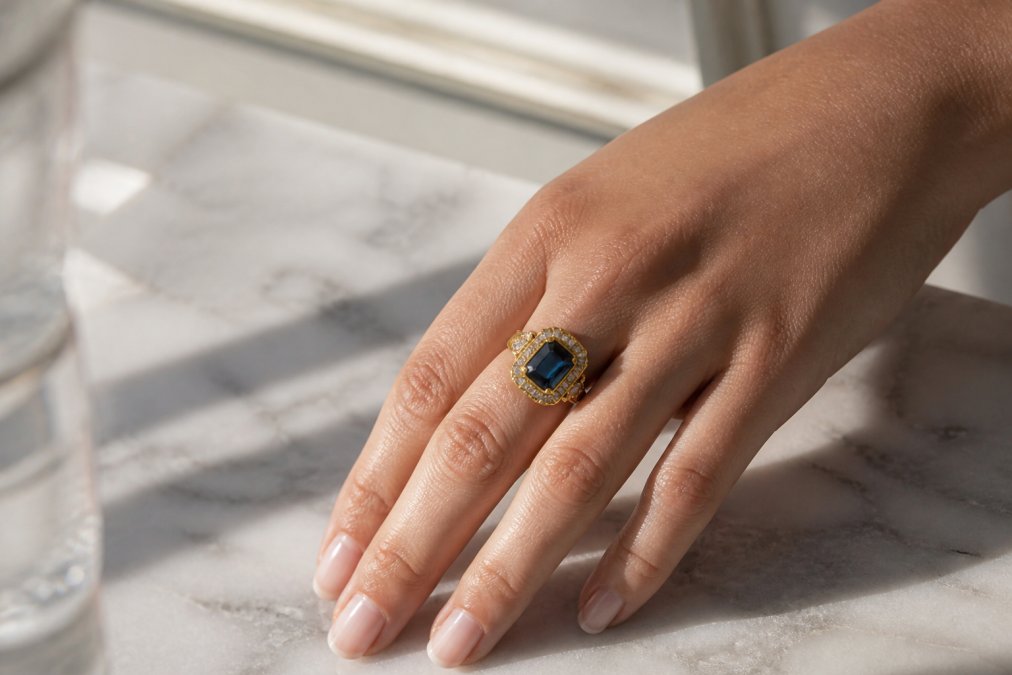
A common mistake is assuming "sustainable" means lower quality. In practice, recycled gold is chemically identical to newly mined gold. The difference is origin, not integrity.
| Asset Factor | What It Means | Investment Impact |
|---|---|---|
| Recycled gold/platinum | Same purity, verified origin | Baseline commodity value |
| Lab-grown diamonds | Identical structure, lower resale | Value retention varies |
| Antique diamonds | Limited supply, documented age | Stronger resale demand |
| Craftsmanship | Hand-finished, durable settings | Slower depreciation |
Why Is Platinum Jewelry More Expensive Than Gold
Platinum costs more than gold because it is roughly 30 times rarer, denser, and requires higher melting temperatures that increase fabrication time. A platinum ring also uses more metal by volume than the same design in gold, since platinum is heavier and typically alloyed at 95% purity versus 18k gold's 75%.
That density cuts both ways. Platinum resists wear better and holds gemstones more securely over decades, which matters for heirloom pieces worn daily. The trade-off is price and limited design flexibility, since fewer jewelers work platinum regularly.
Gold, by contrast, offers warmer color and easier resizing. For collectors weighing long-term wear against upfront cost, the decision usually comes down to how often the piece will be worn.
Value Retention in Luxury Jewelry: Metals, Stones, and Craft
Value retention in luxury jewelry depends on three variables: metal type, gemstone quality, and brand craftsmanship. Metals hold commodity value; stones and craftsmanship determine whether a piece appreciates or simply holds.
Gemstone quality follows the four Cs: carat weight, cut, clarity, and color. Cut matters most for brilliance, while clarity and color drive price. Antique diamonds, cut by hand before modern standards existed, carry a scarcity premium that newer stones lack.
Craftsmanship is the variable buyers underestimate. A hand-finished setting with secure prongs survives decades of wear; a mass-produced mount may not. According to the Gemological Institute of America's guidance on diamond grading, independent certification remains the most reliable way to verify stone quality before purchase.
How to Verify Ethical Fine Jewelry Brands
Verifying ethical fine jewelry brands means checking certification, not marketing language. Ask for third-party documentation, traceable supply chains, and specifics on where metals and stones originate.
A practical verification checklist:
- Request certification from a recognized body such as the Responsible Jewellery Council
- Ask whether metals are recycled or newly mined, and get it in writing
- Confirm gemstone origin and request grading reports
- Check whether antique or repurposed stones are used
- Review the brand's published sourcing policy
Hallmarking is another signal. In markets that require it, a hallmark verifies metal purity independently of the seller's claims. If a brand cannot produce documentation, treat the sustainability claim as unverified.
LÖF, for example, builds its collection around recycled and repurposed gold alongside antique diamonds, which gives buyers a documented provenance trail rather than a vague promise.
Resale Market Mechanics and Insurance for Sustainable Pieces
Resale value for sustainable pieces depends on documentation, brand recognition, and current commodity prices, but the mechanics differ sharply by asset type, and most buying guides skip this entirely. This is where a sustainable jewelry investment diverges from a traditional one.
How liquidity actually works, by asset class
- Recycled gold and platinum: The most liquid layer. Because recycled metal is chemically identical to mined metal, a refiner or scrap buyer will pay a percentage of the live spot price regardless of the piece's design or provenance. You are selling the metal, not the story. Expect the realized price to sit below spot once refining, assay, and dealer margin are deducted.
- Antique and estate diamonds: The strongest secondary demand among stones, because supply is fixed and documented age carries a scarcity premium. Auction houses and specialist estate dealers are the primary channels.
- Lab-grown diamonds: The weakest resale layer. Because lab-grown stones can be manufactured at scale, they behave more like fashion inventory than a scarce commodity. Most practitioners find resale realization is a fraction of retail, so treat a lab-grown center stone as a wear-and-enjoy purchase, not a store of value.
- Signed designer and branded pieces: Brand recognition can lift resale above raw material value, but only when the piece is identifiable and the paperwork is intact.
The three resale channels and what each actually pays for
| Channel | Best For | Typical Outcome |
|---|---|---|
| Auction house | Signed, high-value, antique pieces | Strongest prices, higher seller fees and longer timelines |
| Specialist reseller / estate dealer | Designer and antique pieces | Moderate prices, faster sale, they buy at wholesale |
| Peer-to-peer marketplace | Everyday fine jewelry | Variable, buyer-dependent, no guaranteed liquidity |
| Refiner / scrap buyer | Metal value only | Fastest exit, pays a percentage of spot, ignores design |
A common pattern is that sellers overestimate resale because they anchor on retail price. The realistic benchmark is the piece's appraised replacement value minus the channel's margin, not what you paid.
Insurance works on a different logic than resale
Insurance does not care what the piece would fetch on the secondary market. Most policies require an independent jewelry appraisal stating replacement value, the cost to buy an equivalent piece new, not purchase price and not resale value. That distinction matters: a lab-grown stone may have low resale but a high replacement cost, and insurers will cover the replacement figure.
Practical protection steps:
- Get an independent appraisal at purchase from a qualified gemologist, separate from the seller.
- Confirm whether the policy is agreed value (a fixed scheduled amount) or actual cash value (depreciated). Agreed value is generally preferable for fine jewelry.
- Re-appraise every two to three years, since metal prices and stone markets shift.
- Store certification reports, appraisal documents, and high-resolution photos together, insurers and resale buyers both pay more when the paperwork is complete.
- Ask specifically whether recycled and lab-grown pieces are covered on the same terms as mined equivalents; some policies were written before these categories were common.
Quantitative Performance and Environmental Impact Metrics
Most sustainable jewelry guides stay qualitative, 'it holds value,' 'it's better for the planet.' This section is different: it gives you a framework for measuring both the financial and environmental performance of a piece, which is the gap no top-ranking article currently fills.
Measuring financial performance: the two numbers that matter
- Metal price movement. Gold, platinum, and silver trade on global markets, and the London Bullion Market Association publishes reference pricing that lets you benchmark the raw material value of a piece independently of retail markup. Track the metal's spot price at purchase against its spot price today, that is your floor, the value you could recover through a refiner even if the design never appreciates.
- Resale realization rate. This is the percentage of your purchase price (or appraised value) that you could actually recover on the secondary market. It varies enormously by asset class: recycled metal recovers a high share of spot, antique diamonds recover more than new ones, and lab-grown stones recover the least. Calculating this rate for each piece in your collection tells you which holdings are true assets and which are consumption.
A simple tracking method: for each piece, record the purchase date, metal weight and purity, spot price at purchase, current spot price, appraisal value, and any resale quotes you receive. Over time, this log reveals whether your collection is behaving like a portfolio or a wardrobe.
Why 'sustainable' and 'traditional' assets diverge
The financial case for sustainable pieces is not that they appreciate faster, it is that they carry less provenance risk. A piece with documented recycled metal and certified stones has a verifiable chain of custody, which is exactly what resale buyers and insurers ask for. Undocumented pieces get discounted, sometimes heavily, because the buyer cannot confirm what they are buying. In that sense, sustainability documentation functions as a liquidity feature, not just an ethical one.
The trade-off is real: lab-grown stones offer lower environmental impact but weaker resale, while antique stones offer strong resale and zero new mining but limited supply. There is no single 'best' sustainable asset, only a trade-off curve you choose along.
Environmental impact: moving past buzzwords
The environmental case rests on measurable reductions, not slogans:
- Recycled precious metals avoid new extraction entirely. Mining is land- and water-intensive, so sourcing metal from existing above-ground stock eliminates that footprint for the metal portion of a piece.
- Lab-grown diamonds require significantly less land disturbance and water than mined stones, though they are energy-intensive to produce, the net footprint depends heavily on whether the production facility runs on renewable power.
- Antique and repurposed stones sidestep new mining altogether, making them the lowest-extraction option by definition.
When a brand claims sustainability, ask for the specific metric behind it: what percentage of the metal is recycled, where the stones originated, and whether the lab-grown production is powered renewably. A claim without a number is marketing.
For a portfolio approach, weight holdings toward pieces with documented provenance and durable craftsmanship, since those retain value more consistently than trend-driven designs, and track them against the LBMA reference prices so you always know your floor.
Building an Heirloom Collection with LÖF
Building an heirloom collection starts with pieces designed to outlast trends. LÖF, founded by jeweler and designer Morgan Mackintosh, crafts sustainable high and fine jewelry from 18k gold, platinum, ethically sourced gemstones, and antique diamonds.
The Fitzgerald Cigar Band, for instance, sets over 2.5 carats of princess and baguette diamonds and sapphires in solid 18k yellow gold, a dome-shaped cocktail ring built for daily wear and eventual inheritance. For collectors drawn to antique stones, the Toi et Moi Engagement Band pairs an antique marquise fancy yellow diamond with an antique pear white diamond.

A sensible collection strategy:
- Start with one signature piece in a metal you will wear daily
- Add antique or certified stones for scarcity value
- Keep all certification and appraisal documents together
- Insure each piece at replacement value and review annually
LÖF's award-winning craftsmanship and recycled gold sourcing give collectors a documented provenance trail, which is what resale buyers and insurers actually ask for.
Frequently Asked Questions
What is the 2:1:1 rule in jewelry?
The 2:1:1 rule is a guideline for allocating a jewelry budget: two parts to a core piece like a ring or necklace, one part to a complementary piece such as earrings, and one part to a statement item. For investors, it helps balance liquidity and wearability. Sustainable luxury jewelry buyers can apply it by prioritizing pieces with strong resale value and timeless design, then adding complementary items that still hold value over time.
Which jewelry brands are considered the most sustainable?
The most sustainable ethical fine jewelry brands use recycled precious metals, traceable gemstone supply chains, and third-party certifications. Look for brands that disclose their sourcing, use antique or lab-grown diamonds, and work with recycled gold or platinum. LÖF, for example, crafts pieces from recycled and repurposed gold, platinum, and ethically sourced gemstones, and uses antique diamonds to avoid new mining impact.
What luxury jewelry holds its value best over time?
Pieces with high-karat gold or platinum, certified gemstones, and exceptional craftsmanship retain value best. Antique diamonds and signed pieces from recognized maisons also perform well. Value retention in luxury jewelry depends on metal purity, stone quality (cut, clarity, color, carat weight), and brand reputation. Sustainable pieces with documented ethical sourcing can command stronger resale prices as conscious consumerism grows.
How do you verify the sustainability of fine jewelry?
Ask for certification and supply chain transparency. Reputable brands provide documentation for recycled metals (such as hallmarking) and gemstone origin. Third-party certifications like Fairmined or SCS Recycled Content validate claims. For antique diamonds, request gemological reports. LÖF uses antique diamonds and recycled gold, and can provide details on sourcing. Always check for specific proof rather than vague marketing terms.
Why is platinum jewelry considered a better investment than white gold?
Platinum is denser and more durable than white gold, so it resists wear and holds gemstones securely for generations. It is also naturally white, so it never needs rhodium plating. While platinum jewelry is more expensive upfront due to rarity and mining costs, its value retention in luxury jewelry is strong because of its purity (usually 95%) and industrial demand. White gold, often 14k or 18k, may wear faster and requires maintenance.
What are the hallmarks of high-quality, investment-grade jewelry?
Look for high-karat gold (18k or higher) or platinum, certified gemstones with excellent cut, clarity, color, and carat weight, and precise craftsmanship. Hallmarking confirms metal purity. Antique diamonds with unique cuts add rarity. Timeless design and brand reputation also matter. LÖF pieces like The Fitzgerald Cigar Band use 18k solid yellow gold and over 2.5cts of princess and baguette diamonds and sapphires, meeting investment-grade criteria.
How does the use of antique diamonds impact the investment value of jewelry?
Antique diamonds are repurposed stones with historical character and limited supply, which can increase their desirability and resale value. They avoid new mining, aligning with sustainable luxury jewelry values. Their unique cuts (like old miner or marquise) often appeal to collectors. Because they are conflict-free and traceable, they support ethical sourcing claims. Pieces featuring antique diamonds, such as LÖF's Toi et Moi Engagement Band, can appreciate as heirloom-quality assets.
Choosing jewelry as an investment means accepting that value depends on documentation, craftsmanship, and market demand, not on the label alone. LÖF offers sustainable high and fine jewelry in 18k gold and platinum, built from recycled metals and ethically sourced gemstones, with the provenance records that protect resale value. Explore the collection and choose options that will hold meaning and worth for generations.