

Table of Contents
- What Defines Heirloom Quality Jewelry
- Is 18k Gold Better Than Platinum for Heirloom Pieces
- How to Verify Jewelry Quality Online Before You Buy
- Ethical Sourcing in Fine Jewelry: What It Actually Means
- New vs. Pre-Owned: The Heirloom Debate
- Insurance, Appraisal, and Documentation for Future Generations
- How to Care for Heirloom Quality Jewelry
- Conclusion
Last Updated: August 18, 2026
What Defines Heirloom Quality Jewelry
Heirloom quality jewelry is fine jewelry constructed to survive generations of wear without structural compromise, emotional diminishment, or loss of material value. At LÖF, we define it by three non-negotiable criteria: precious metal purity above 75%, gemstones with documented provenance, and handcrafted construction that can be repaired, resized, and re-polished decades from now.
Fine jewelry and heirloom quality are not the same thing. Fine jewelry is a broad category including anything made with precious metals and genuine gemstones. Heirloom quality is a narrower standard: designed to be passed down through generations, with stone settings that hold under daily wear, metalwork thick enough to withstand repeated polishing, and every component serviceable by a skilled jeweler long after the original maker is gone.
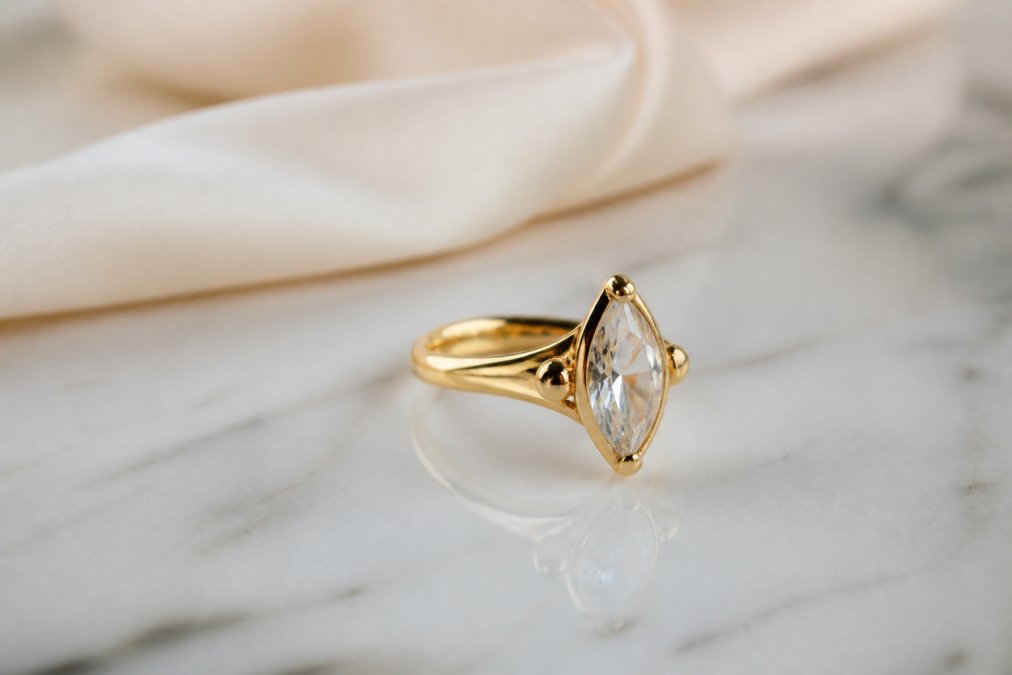
Fine Jewelry vs. Heirloom Quality: The Real Difference
Fine jewelry is designed to look beautiful at point of sale. Heirloom quality jewelry is designed to be passed down through generations. Timeless design matters as much as materials, a piece that reads as a trend in five years is unlikely to carry emotional weight in fifty. The most enduring heirloom pieces share architectural clarity: bold enough to be memorable but not so tied to a moment that they date.
Materials That Stand the Test of Time
These specifications actually matter for heirloom pieces:
- Precious metal purity: 18k gold (75% pure gold) and platinum (95%+ pure) are the standard. Anything below 14k gold introduces alloy metals that corrode and discolour over time.
- Gemstone grading: Diamonds should carry GIA certification or equivalent. Coloured stones should have a laboratory report from a recognised gemmological body.
- Setting construction: Bezel settings protect stones better; prong settings show more of the stone. The metalwork around the setting must be substantial.
- Finishing: Hand-finishing by a trained jeweller produces surfaces that can be re-polished without losing detail.
The LÖF Maze Ring, handcrafted in 18k solid yellow gold and set with an antique marquise diamond, represents the material and construction standard that justifies the term heirloom.

Is 18k Gold Better Than Platinum for Heirloom Pieces
Neither metal is universally superior. The right choice depends on your stone, lifestyle, and aesthetic preference.
Durability and Wearability Compared
Platinum is denser and more scratch-resistant, developing a patina over time. It displaces rather than removes material when scratched, meaning a platinum ring can theoretically last forever without losing mass.
18k gold is harder in its alloyed form, holding fine detail and engraving better over decades. It is lighter, which matters for larger statement pieces worn daily. Gold does lose small amounts of metal with each polish, so very thin gold pieces will eventually require re-shanking.
For colourless diamonds and white gemstones, platinum is often preferred because it does not cast a yellow reflection into the stone. For warm-toned stones like yellow diamonds and antique cut diamonds, 18k yellow gold enhances the stone's colour.
Which Metal to Choose for Your Piece
| Consideration | 18k Gold | Platinum |
|---|---|---|
| Best for warm-toned stones | Yes | No |
| Best for colourless diamonds | Depends on karat | Yes |
| Daily wear durability | Good | Excellent |
| Holds fine detail | Excellent | Good |
| Weight (lighter) | Yes | No |
| Re-polishing lifespan | Finite (loses mass) | Near-indefinite |
| Hypoallergenic | Depends on alloy | Yes |
The LÖF Tillie Ring is available in both platinum with white gold and 18k yellow gold, illustrating this choice: the same Old European Cut diamonds read differently in each metal.

How to Verify Jewelry Quality Online Before You Buy
Buying fine jewelry online without seeing it in person is legitimate concern. The verification process is systematic. If a retailer cannot answer these questions, that tells you something.
Hallmarks, Certifications, and Appraisal Documents
Hallmarks are the first line of verification. Every piece of heirloom quality jewelry should carry a stamped hallmark indicating precious metal purity: "750" for 18k gold, "950" or "PT950" for platinum. In the UK, hallmarking by an Assay Office approved body is a legal requirement. Ask for photographs of the hallmark before purchasing.
Gemstone certification is non-negotiable for any stone above one carat. The Gemological Institute of America grading standards is the global benchmark for diamond grading. A GIA report can be verified independently using the report number. For antique diamonds, a specialist gemmological appraisal from a qualified valuer is the appropriate substitute.
Independent appraisal documents should accompany any piece above a certain value. An appraisal is an independent valuation by a credentialed gemmologist that can be used for insurance purposes.
Identifying Reputable Online Retailers
The markers of a reputable fine jewelry retailer are:
- Detailed materials specifications in every product listing
- Gemstone certificates available to download or verify independently
- Clear returns policy with sufficient time for independent appraisal
- Shipping insurance for full replacement value
- Transparent maker information: who designed it, where it was made, and by whom
- Responsive customer service that can answer technical questions about construction
A retailer that hedges on any of these points is not operating at heirloom quality standards.
Ethical Sourcing in Fine Jewelry: What It Actually Means
Ethical sourcing has become one of the most misused phrases in luxury retail, often meaning nothing at all.
Recycled Precious Metals and Conflict-Free Gemstones
Recycled precious metals are gold and platinum recovered from existing sources: old jewelry, industrial components, electronics. Recycled gold carries the same purity and quality as newly mined gold; the difference is environmental. Mining is one of the most ecologically disruptive industries, and recycled metal eliminates the extraction impact entirely.
Conflict-free gemstones refers specifically to diamonds sourced outside war zones where diamond revenues fund armed conflict. The Kimberley Process Certification Scheme is the international standard, though many ethicists argue it sets a minimum floor rather than a high bar.
Antique diamonds are arguably the most ethical choice. They were cut and polished generations ago, meaning no new mining, no new carbon footprint, and no supply chain risk. The Isotta Ring, set with Old European Cut, antique oval, and antique marquise diamonds, carries zero new-mining impact.
The honest test for any brand's ethical sourcing claims: can they show you documentation? Certifications, supplier names, and chain-of-custody records separate genuine commitment from marketing copy.
New vs. Pre-Owned: The Heirloom Debate
Some of the finest heirloom pieces available today are estate jewelry: pre-owned pieces from the Victorian, Edwardian, and Art Deco periods that have already survived a century of wear. Estate pieces were often made to higher construction standards than contemporary mass-market jewelry, because labour costs were lower and handcraft was the only method available.
The risks are real. Pre-owned fine jewelry requires careful authentication. Repairs may have been done with inferior materials. Stones may have been replaced. Hallmarks may be worn or illegible. Independent appraisal is even more critical for estate pieces than for new ones.
The practical framework for evaluating pre-owned heirloom jewelry:
- Request a full condition report from the seller, including any known repairs
- Verify hallmarks independently with an assay office or qualified jeweller
- Commission an independent appraisal before completing the purchase
- Check that any gemstone certificates match the stones currently in the piece
- Assess wearability: some antique settings are fragile and not suited to daily wear without restoration
New heirloom quality jewelry, made to the same standards as the best estate pieces, offers the advantage of known provenance and documented materials from the outset. The LÖF Savoy Ring, handcrafted in platinum or yellow gold with an Asscher-cut white sapphire, is designed to become the estate piece someone discovers in seventy years.

Insurance, Appraisal, and Documentation for Future Generations
This section determines whether a piece actually functions as an heirloom or simply gets lost, undervalued, or disputed when it passes between generations.
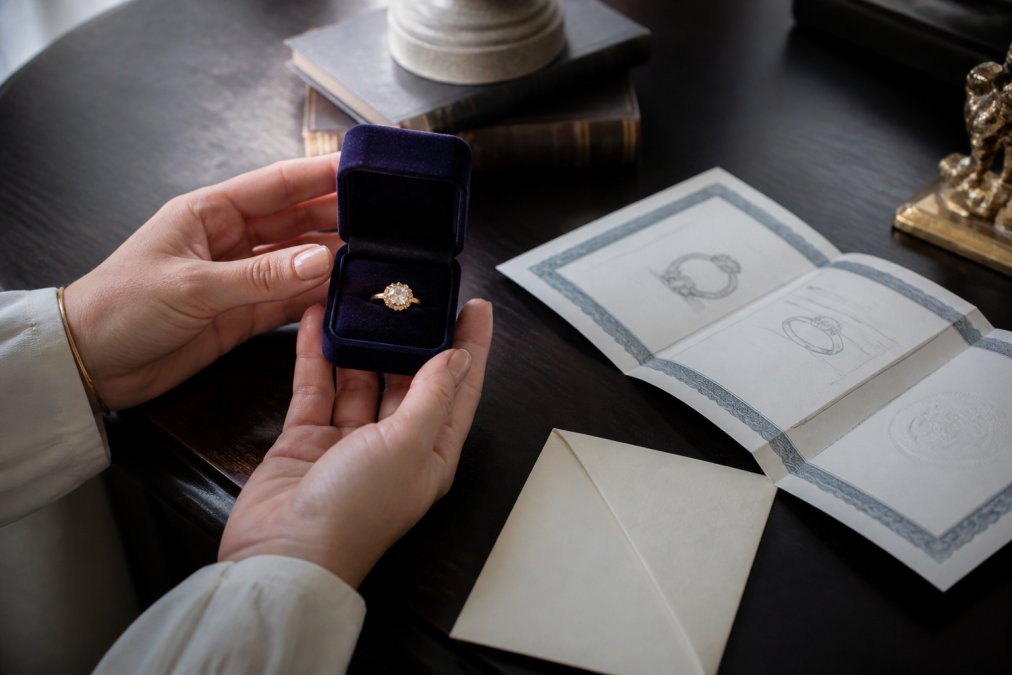
Jewelry appraisal is a formal written valuation by a credentialed gemmologist, stating the replacement value of the piece at current market rates. For insurance purposes, appraisals should be updated every three to five years. Keep the original appraisal document and every updated version.
Insurance for fine jewelry typically requires a standalone rider on a home contents policy, or a dedicated jewelry insurance policy. Standard home insurance rarely covers full replacement value for high-value pieces. Specialist jewelry insurers require an appraisal, photographs, and sometimes a gemstone certificate before issuing coverage.
Documentation for future generations should include:
- Original purchase receipt or invoice
- Independent appraisal document with gemmologist credentials
- Gemstone certificates (GIA or equivalent)
- Photographs showing the piece from multiple angles, including hallmarks
- Written provenance: who bought it, when, and for what occasion
- Any repair or restoration records
Store copies digitally and physically, in separate locations. According to guidance from the British Jewellers' Association, documented provenance significantly affects resale and estate valuation outcomes for fine jewelry.
How to Care for Heirloom Quality Jewelry
Jewelry maintenance is where many owners inadvertently cause more damage than decades of normal wear would produce. Precious metals and gemstones are designed to be worn. What damages them is chemical exposure, abrasive contact, and thermal shock.
Practical care guidelines for 18k gold and platinum pieces:
- Remove jewelry before applying perfume, hand cream, or hairspray.
- Store pieces individually in soft pouches or compartmented boxes.
- Clean with warm water, mild dish soap, and a soft brush. Rinse thoroughly and dry with a lint-free cloth.
- Have pieces professionally inspected once a year. Prong settings loosen with wear; catching this early prevents stone loss.
- Avoid ultrasonic cleaners for pieces with antique stones, fracture-filled diamonds, or stones with natural inclusions.
Platinum develops a natural patina over time that many wearers find beautiful. For 18k gold, avoid DIY polishing cloths with embedded abrasives; they remove metal and can alter fine surface details on handcrafted pieces.
The LÖF Toi et Moi Engagement Band, set with antique marquise and pear diamonds in gold, rewards careful maintenance: the antique stones are irreplaceable, making annual professional inspection particularly important.
Buying heirloom quality jewelry online requires more due diligence than a boutique purchase, but the process is entirely manageable when you know what to verify. LÖF was founded on exactly that premise: 18k gold and platinum construction, antique and ethically sourced diamonds, and handcrafted pieces designed to outlast their first owner. Explore the LÖF collection and choose a piece built to become part of your family's story.
Frequently Asked Questions
What is heirloom quality jewelry?
Heirloom quality jewelry is fine jewelry built to survive generations of wear without degrading in structural integrity or beauty. It is made from precious metals with verified purity, typically 18k gold or platinum, set with certified gemstones, and finished to a craftsmanship standard that resists everyday damage. The term also implies timeless design: a piece that does not look dated in 30 years. Not all fine jewelry meets this bar; the distinction lies in material quality, construction method, and durability over decades.
Is 18k gold better than platinum for heirloom pieces?
Both are excellent choices, but they perform differently. Platinum is denser and more resistant to wear, making it ideal for settings that hold gemstones under daily stress. Its patina develops over time rather than scratching away metal. 18k gold, 75% pure gold, offers superior colour richness and is slightly lighter on the finger. Yellow gold suits warmer, architectural designs; platinum suits modern or white-metal aesthetics. For heirloom quality jewelry intended for daily wear, platinum edges ahead on raw durability, though 18k gold remains the classic choice for statement pieces.
How can you verify the authenticity of gemstones when buying jewelry online?
Request a GIA certificate or equivalent independent gemological report for any significant stone. Legitimate retailers provide stone-specific documentation, not just generic descriptions. For antique diamonds, ask whether they have been independently appraised and whether the appraisal is transferable. Check that hallmarks are visible in product photography and confirm the retailer's return policy covers cases where the piece does not match its stated specifications. A credible online retailer will supply documentation proactively, not only when asked.
What are the signs of superior craftsmanship in fine jewelry?
Look for hand-finished settings with no visible tool marks or rough edges, stones seated flush and secure without gaps at the girdle, and consistent metal thickness throughout the band or mounting. Prongs should be rounded, not sharp. In high-quality pieces, solder joins are invisible to the naked eye. Ask whether the piece is cast or hand-fabricated, hand-fabricated and hand-finished work typically holds up better over decades. Hallmarks confirming metal purity and the maker's mark are non-negotiable signs of a piece built to a professional standard.
How should you care for heirloom quality jewelry to ensure it lasts for generations?
Store each piece separately in a soft-lined box or pouch to prevent scratching. Clean 18k gold and platinum with warm water, a drop of mild dish soap, and a soft brush, avoid ultrasonic cleaners for pieces with antique or fracture-filled stones. Remove jewelry before swimming, applying perfume, or using cleaning products. Have settings professionally checked every one to two years to catch any loosening prongs before a stone is lost. Keep your original appraisal documents updated every five years, as replacement values change with precious metal and gemstone markets.
What does ethical sourcing actually mean in fine jewelry, and how do I verify it?
Ethical sourcing in fine jewelry covers two areas: the origin of precious metals and the provenance of gemstones. Recycled or reclaimed gold avoids new mining entirely. Conflict-free gemstones should come with documentation tracing their origin, Kimberley Process certification covers diamonds, though more rigorous standards exist. Antique diamonds, pre-dating modern mining, are an inherently lower-impact choice. Ask any retailer for specific documentation rather than accepting general claims. Brands that genuinely commit to ethical sourcing name their suppliers, describe their audit process, and welcome the question.
This article was written using GrandRanker